
Gym + Martial Arts: How Adding Combat Classes Affects Your Fitness Insurance
General Insurance Awareness for Mixed-Use Training Facilities
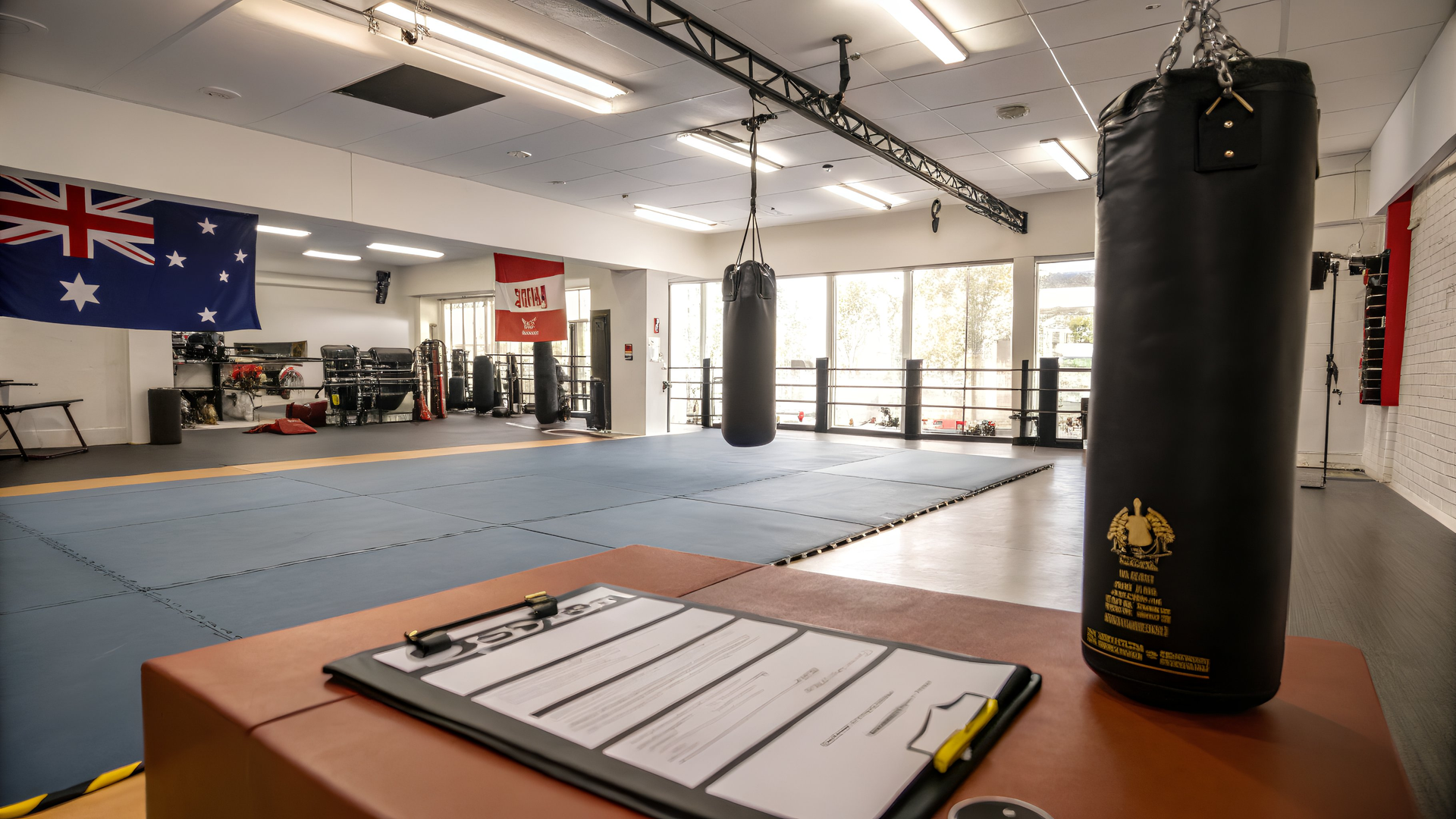
Many gyms evolve beyond traditional strength and cardio training by introducing combat-style classes. These may include boxing fitness, kickboxing, mixed martial arts conditioning, self-defence programs, or hybrid martial arts sessions designed primarily for fitness participants.
While these classes are often marketed as fitness-focused, they introduce training characteristics that differ from conventional gym activities. From an insurance perspective, these differences can affect how activities are classified, defined, and assessed under an existing gym insurance policy.
This article provides general insurance information to explain how adding martial arts or combat-style classes may affect fitness insurance arrangements. It is intended for educational purposes only and does not provide personal, financial, or legal advice.
Why Gyms Add Martial Arts or Combat-Style Classes
Gyms introduce combat-style classes for a range of operational reasons, including:
- Member demand for varied training options
- Interest in functional and high-intensity workouts
- Growth in boxing- and MMA-inspired fitness programs
- Desire to differentiate from traditional gym offerings
Although these classes are commonly positioned as non-competitive and fitness-oriented, insurance assessment focuses on how activities are delivered, not how they are marketed.
How Insurance Views “Fitness” vs “Martial Arts” Activities
Insurance policies rely on activity definitions, not branding or intent.
Traditional Fitness Activities May Include:
- Equipment-based workouts
- Group exercise classes
- Personal training
- Circuit or functional training
Martial Arts or Combat-Style Activities May Involve:
- Partner drills
- Technique application
- Striking or grappling movements
- Controlled or simulated contact
Even where contact is limited or incidental, the inclusion of partner-based or combat-inspired elements can influence how activities are categorised under an insurance policy.
The Importance of Activity Definitions
A key consideration when adding combat-style classes is whether those activities are reflected in the policy’s declared activities.
A gym insurance policy may:
- Define coverage for “fitness training” only
- Exclude certain combat or contact activities unless specifically declared
- Distinguish between fitness boxing and martial arts instruction
Coverage depends on how activities are described in policy documentation—not on class names or promotional language.
Boxing Fitness vs Martial Arts Training
Many gyms assume boxing fitness classes are treated the same as cardio or conditioning sessions. From an insurance perspective, distinctions may be made based on:
- Whether partner drills are involved
- Whether striking is directed only at equipment
- Whether technique instruction is provided
- Whether sparring or contact elements exist
The presence or absence of contact is not the sole factor. How instruction is delivered and how participants interact may also be relevant.
Group Classes With Partner Interaction
Partner interaction is a key differentiator between traditional gym classes and martial arts-style sessions.
Insurance policies may assess:
- Whether participants train independently or with partners
- Whether physical interaction is intentional
- Whether mixed experience levels train together
Even controlled or light interaction can change how an activity is classified under policy definitions.
Instructors and Their Backgrounds
Combat-style classes are often delivered by instructors with martial arts or combat sports backgrounds. From an insurance perspective:
- Instructor qualifications do not determine coverage
- The activity being delivered is the primary consideration
- Instructor roles and classifications may still be relevant
Insurance does not assess instructor competence; it assesses alignment between activities and policy wording.
Equipment Use in Combat-Style Classes
Combat-style classes may involve equipment such as:
- Heavy bags
- Pads or shields
- Gloves or protective gear
Insurance does not ensure equipment safety or suitability. Coverage considerations relate to whether equipment use aligns with declared activities and whether policy exclusions apply.
Fitness-Only Marketing Does Not Determine Coverage
A common misunderstanding is assuming that marketing a class as “fitness only” determines insurance treatment.
Insurance assessment focuses on:
- Actual class structure
- Participant interaction
- Instructional content
- Physical activities involved
Labels such as “boxing fitness” or “MMA conditioning” do not override policy definitions.
Events, Demonstrations, and Special Sessions
Gyms offering combat-style classes may also host:
- Open demonstrations
- Trial sessions
- Special workshops
These activities may be treated differently from regular classes depending on policy wording. Assuming coverage automatically extends to special sessions can lead to misunderstandings.
Documentation and Policy Alignment
From an insurance awareness perspective, relevant documentation may include:
- Class descriptions
- Timetables
- Instructor roles
- Training formats
Documentation does not guarantee coverage, but inconsistencies between operations and policy wording can complicate insurance assessments.
Common Misunderstandings When Adding Martial Arts Classes
Common assumptions include:
- “It’s still fitness, so it must be covered”
- “There’s no sparring, so insurance doesn’t change”
- “We’ve always offered similar classes”
- “Our instructor is experienced, so coverage applies”
Insurance outcomes depend on definitions and documentation—not assumptions.
Why Industry-Specific Insurance Knowledge Is Often Referenced
Gyms that combine fitness and martial arts training operate in mixed-use environments that differ from traditional gym models.
Some insurance brokers focus specifically on gyms, martial arts schools, and hybrid facilities. For example, Gym Insurance Brokers, operating as part of Martial Arts Australia Insurance Services, works with mixed-use training facilities across Australia by arranging insurance based on declared activities and operating models.
This reference is provided for general awareness only and does not constitute personal advice or a recommendation.
Claims Are Assessed Individually
It is important to reiterate that:
- Adding combat-style classes does not automatically change coverage
- Claims are assessed individually
- Coverage is subject to policy terms, conditions, and exclusions
- Insurance does not guarantee outcomes or remove training risk
Closing Thoughts
Introducing martial arts or combat-style classes can add value and diversity to a gym’s training offerings. From an insurance perspective, these classes introduce training characteristics that differ from traditional fitness activities.
Insurance provides financial protection for certain insured events, subject to policy terms and conditions. Understanding how combat-style training aligns with existing insurance arrangements supports informed awareness and realistic expectations for gym owners.
Disclaimer
This content is general information only and does not constitute legal or insurance advice. Coverage requirements vary based on each business’s activities and risk profile, and policy terms and exclusions apply.
For fitness businesses seeking industry-specific guidance, gym insurance brokers provide advice and insurance solutions aligned with real-world fitness operations and unstaffed access risk exposure.