
How to Conduct a Legal Insurance Audit for Your Gym or Fitness Facility
A General Awareness Guide for Australian Gym Owners

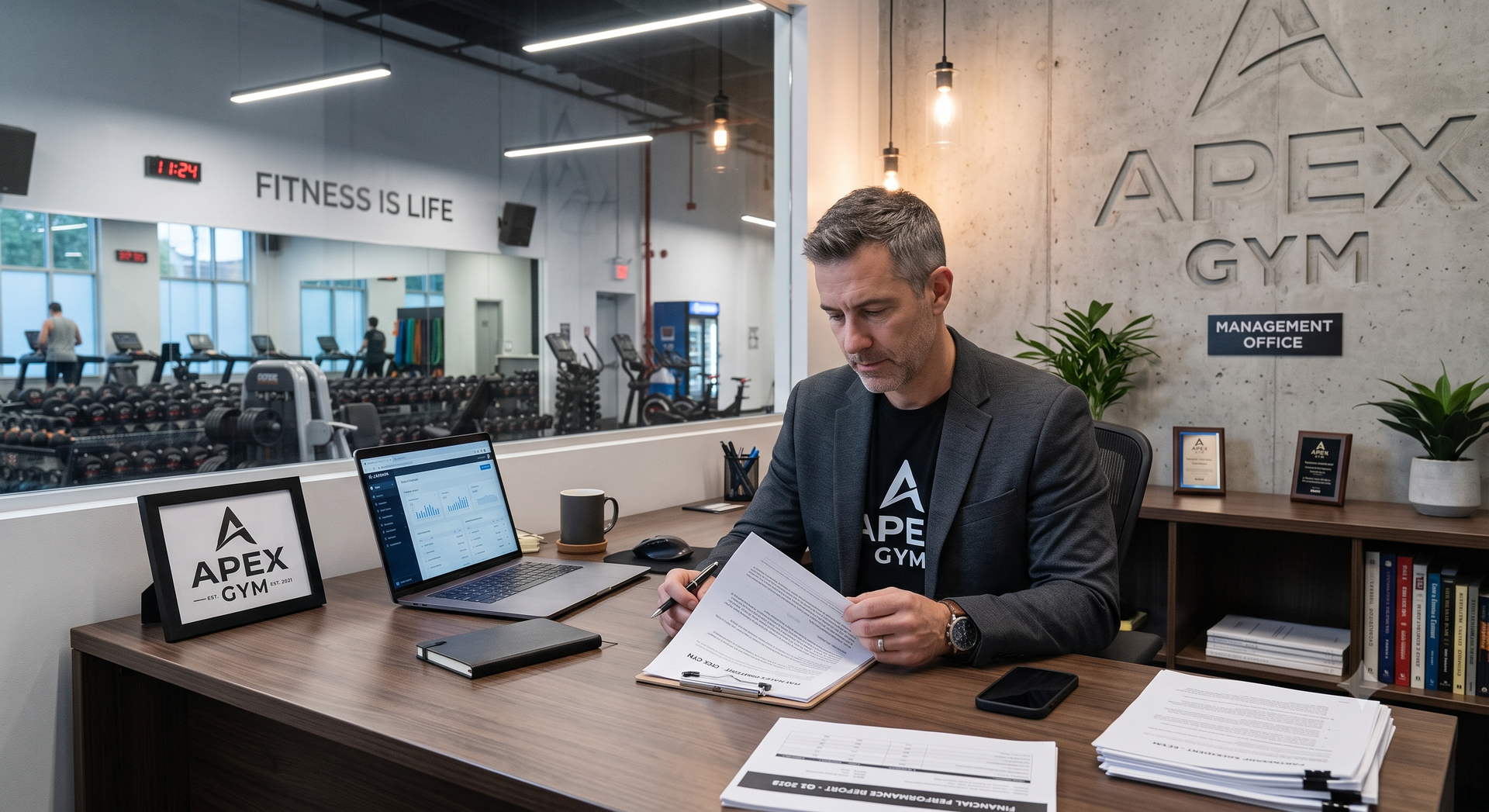
Insurance audits are often discussed in legal and compliance contexts, yet many gym owners are unsure what an insurance audit actually involves or how to approach one without crossing into legal or personal advice territory.
In practice, an insurance audit is not about predicting claim outcomes or guaranteeing coverage. It is about reviewing alignment between how a gym operates and how its insurance policies are structured.
This article provides
general insurance information to explain how gym owners can approach a legal insurance audit from an awareness and documentation perspective. It is intended for
educational purposes only and does not provide personal, financial, or legal advice.
What Is a Legal Insurance Audit?
In broad terms, a legal insurance audit refers to a structured review of:
- Existing insurance policies
- Declared activities and operating models
- Documentation that supports those declarations
The purpose is to identify potential gaps or inconsistencies between a gym’s
actual operations and the
insurance policy wording in place.
It is
not an assessment of fault, compliance, or claim certainty.
Why Gyms Commonly Undertake Insurance Audits
Gym operations frequently evolve over time. Common changes include:
- Expanding class offerings
- Adding group or specialty training
- Introducing 24/7 or unstaffed access
- Engaging additional trainers or contractors
- Operating across multiple locations
Insurance policies do not automatically update when these changes occur.
An audit helps identify whether existing documentation still reflects current operations.
Step 1: Gather All Current Insurance Documents
Begin by collecting all relevant insurance documentation, including:
- Policy schedules
- Full policy wordings
- Certificates of currency
- Renewal notices
Relying on summaries alone can be misleading. Full policy wording is the primary reference point used when incidents or claims are assessed.
Step 2: Identify the Insurance Types in Place
A gym’s insurance arrangements may involve multiple policies or policy sections, such as:
- Public liability insurance
- Professional indemnity insurance
- Property or contents insurance
- Personal accident insurance (where arranged)
Each type of insurance responds to different exposures and is assessed independently. Understanding what is in place is foundational to any audit.
Step 3: Review Declared Business Activities
Insurance policies rely on declared activities, not business names or marketing descriptions.
For gyms, activity descriptions may include:
- Gym or fitness facility operations
- Group exercise classes
- Personal training
- Specialty or functional training
- Martial arts or combat-based classes (if offered)
Comparing these descriptions against actual services delivered helps identify potential mismatches.
Step 4: Map Policy Descriptions Against Real Operations
A practical audit step involves mapping policy wording to real-world operations, including:
- Whether all class types are reflected
- Whether new programs have been added since policy commencement
- Whether training intensity or structure has changed
- Whether online or hybrid services are now offered
This exercise focuses on
alignment, not on determining coverage outcomes.
Step 5: Review Key Definitions in the Policy
Insurance policies contain defined terms that may differ from everyday language. Definitions such as:
- “Participant”
- “Supervision”
- “Training”
- “Premises”
- “Event”
can influence how incidents are assessed. Understanding these definitions supports clearer insurance awareness.
Step 6: Examine Exclusions and Limitations
Exclusions outline circumstances where coverage does not apply and are a critical part of any audit.
Common exclusion areas in gym policies may relate to:
- Certain high-risk activities
- Undeclared programs
- Events or competitions
- Activities outside declared locations
Exclusions do not imply wrongdoing; they simply define policy boundaries.
Step 7: Assess Staff, Trainers, and Contractors
Gyms commonly engage a mix of:
- Employees
- Independent contractors
- Casual trainers
- Visiting instructors
Insurance policies may treat these roles differently. An audit may involve confirming:
- Who is considered an insured person
- How contractors are classified
- Whether volunteers are addressed
Clear role definitions help reduce ambiguity if an incident is assessed.
Step 8: Review Premises and Locations
Training locations must be accurately reflected in insurance documentation. Gyms may operate:
- From a single permanent site
- Across multiple facilities
- In shared or hired venues
If locations have changed or expanded since the policy was arranged, documentation may no longer reflect actual operations.
Step 9: Consider Special Activities and Events
Some gyms offer activities outside standard training, such as:
- Fitness challenges
- Workshops or seminars
- Open days or demonstrations
These activities may be treated differently from regular classes. Reviewing whether they are addressed in policy wording is a common audit step.
Step 10: Understand the Limits of an Insurance Audit
An insurance audit:
- Does not guarantee coverage
- Does not determine claim outcomes
- Does not remove exclusions
- Does not replace legal advice
Claims, where made, are assessed individually in line with policy terms, conditions, and exclusions.
The purpose of an audit is
awareness and documentation alignment.
Common Audit Misunderstandings
Common misconceptions include:
- Believing audits are only needed after incidents
- Assuming renewal confirms suitability
- Relying on certificates instead of full wording
- Expecting audits to predict claim outcomes
Insurance audits are proactive awareness tools, not outcome predictors.
Why Industry-Specific Insurance Knowledge Is Often Referenced
Gym environments involve physical activity, equipment use, public access, and varied training formats. These factors differ significantly from many other business types.
Some insurance brokers focus specifically on gyms and fitness facilities. For example, Gym Insurance Brokers, operating as part of Martial Arts Australia Insurance Services, works with gyms across Australia by arranging insurance based on declared activities and operating models.
This reference is provided for
general awareness only and does not constitute personal advice or a recommendation.
Claims Are Assessed Individually
It is important to reiterate that:
- Audits do not guarantee outcomes
- Claims are assessed individually
- Coverage is subject to policy terms, conditions, and exclusions
Insurance operates within defined contractual limits.
Closing Thoughts
Conducting a legal insurance audit for a gym or fitness facility is about understanding alignment between operations and insurance documentation. As gyms evolve, reviewing policy structure, definitions, and exclusions supports informed awareness and realistic expectations.
Insurance provides financial protection for certain insured events, subject to policy terms and conditions. An audit helps clarify how that framework applies to a specific operating model.
Disclaimer
This information is general in nature and does not consider your personal circumstances.
Disclaimer
This content is general information only and does not constitute legal or insurance advice. Coverage requirements vary based on each business’s activities and risk profile, and policy terms and exclusions apply.
For fitness businesses seeking industry-specific guidance, gym insurance brokers provide advice and insurance solutions aligned with real-world fitness operations and unstaffed access risk exposure.