
Gym Insurance FAQs: What Australian Gym Owners Are Asking Right Now
General Insurance Information for Gyms, Fitness Centres, and Training Facilities
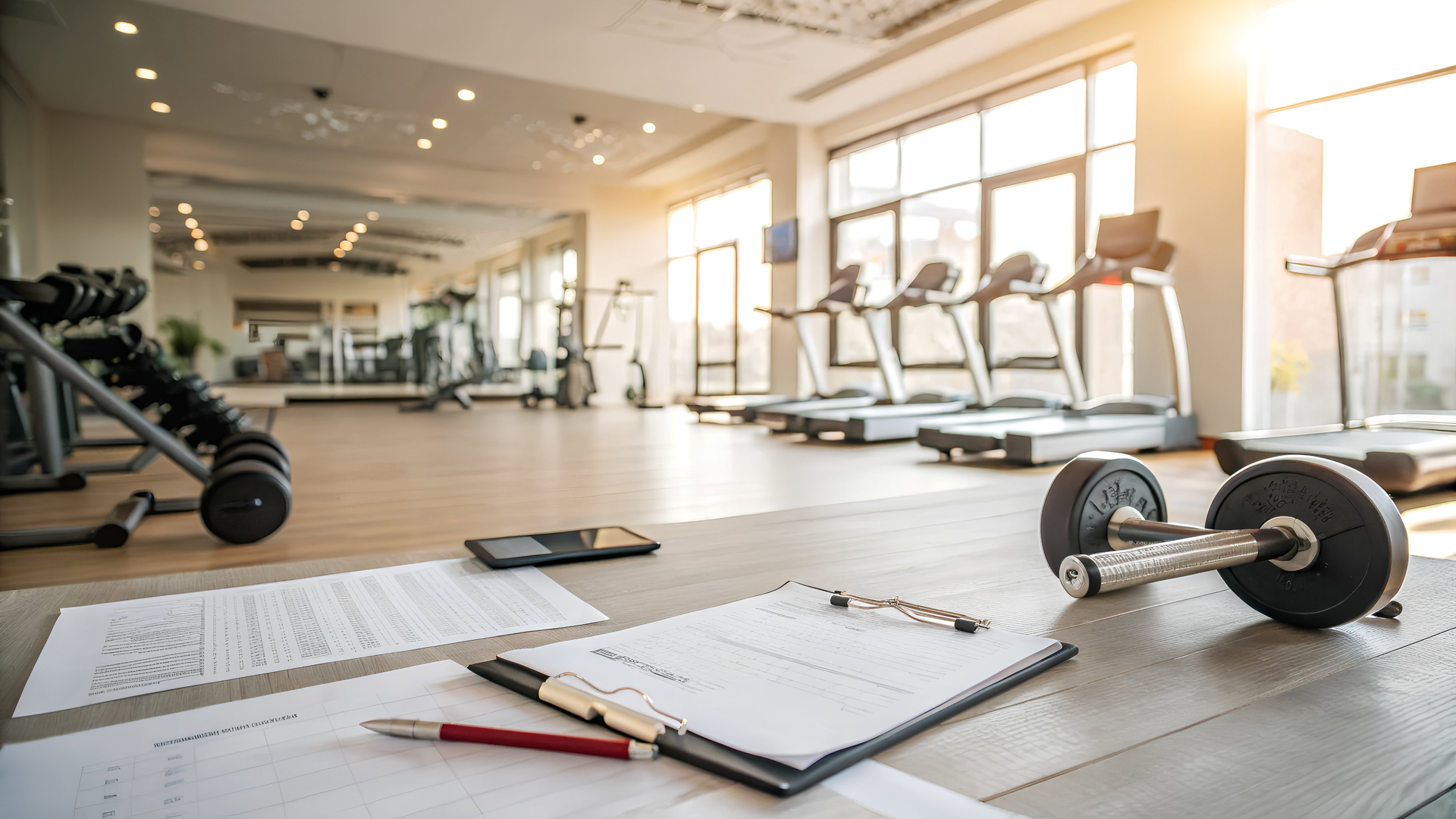
Operating a gym or fitness facility in Australia involves managing physical spaces, equipment, instructors, members, and, in many cases, the general public. Because of this, insurance is commonly part of gym operations. Despite this, many gym owners continue to have questions about how insurance works in practice and what it does—and does not—apply to.
Insurance language can be technical, and policies are often arranged quickly when opening or expanding a gym. Over time, assumptions can form that are not always aligned with how insurance policies are assessed.
This article provides general insurance information by addressing frequently asked questions from Australian gym owners. It is intended for educational purposes only and does not provide personal, financial, or legal advice.
Why Gym Owners Often Have Insurance Questions
Gyms operate in environments that involve:
- Physical activity and movement
- Shared equipment and facilities
- Group classes and individual training
- Staff, contractors, and members of the public
Insurance interacts with all of these elements, but it does so in a structured and limited way. Policies respond to defined activities and insured events rather than general expectations. This is why questions often arise when gym owners review coverage or encounter unfamiliar scenarios.
FAQ 1: “Does Gym Insurance Cover Member Injuries?”
Insurance does not cover injuries in a general or automatic sense.
From an insurance perspective, what matters is whether:
- A claim is made
- The injured person is considered a third party under the policy
- The circumstances align with an insured event
- Policy terms, conditions, and exclusions apply
An injury may occur without any insurance involvement at all. Insurance responds to claims and financial exposure—not to injuries themselves.
FAQ 2: “Is Public Liability Insurance Enough for a Gym?”
Public liability insurance is commonly referenced in gym environments because gyms involve interaction with members of the public. It generally relates to claims alleging injury or property damage involving third parties.
However, public liability insurance is only one part of broader insurance considerations. Gyms may also encounter references to:
- Professional indemnity insurance (relating to instruction or guidance)
- Property or contents insurance (relating to equipment and fit-out)
- Personal accident insurance (where arranged separately)
Each type of insurance responds to different scenarios, subject to policy wording.
FAQ 3: “Does My Insurance Cover Group Classes and Personal Training?”
Coverage depends on how activities are defined in the policy—not simply on whether a class or session is offered.
Group classes and personal training may be treated differently depending on:
- How the activities are described
- Whether they involve equipment, instruction, or participant interaction
- Whether they align with declared activities
Insurance policies do not assume all training formats are the same. Definitions and exclusions determine how incidents are assessed.
FAQ 4: “What If My Gym Is Unstaffed or Operates 24/7?”
Many modern gyms operate with extended hours or unstaffed access models. From an insurance perspective, this can introduce considerations related to:
- Supervision
- Access control
- Use of facilities outside staffed hours
Insurance policies do not assess business models as “good” or “bad.” They assess whether activities and operating structures align with policy definitions and conditions.
FAQ 5: “Are Trainers and Contractors Automatically Covered?”
Gyms often engage a mix of:
- Employees
- Independent contractors
- Visiting instructors or coaches
Insurance policies may treat these roles differently depending on classification and whether individuals are acting on behalf of the business.
Assuming all trainers are automatically covered can lead to confusion. Coverage depends on policy wording and how roles are defined within the insurance arrangement.
FAQ 6: “Does Gym Insurance Cover Equipment-Related Incidents?”
Insurance related to equipment is commonly misunderstood.
Public liability insurance may respond to certain third-party claims involving equipment, subject to policy terms. Property or contents insurance, where included, relates to damage or loss of insured items—not injury claims.
Insurance does not ensure equipment safety or maintenance. It addresses financial exposure where insured events occur.
FAQ 7: “What Happens If Someone Slips or Trips in the Gym?”
Slips, trips, and falls are often discussed in relation to gym insurance. Whether insurance responds depends on:
- Whether a claim is made
- The circumstances of the incident
- Whether the injured person is a third party
- Policy definitions and exclusions
Insurance does not automatically apply to every incident on the premises. Claims are assessed individually.
FAQ 8: “Does Insurance Apply to Fitness Challenges or Special Programs?”
Gyms may run activities such as:
- Transformation programs
- Group challenges
- Short-term fitness campaigns
These activities may be treated differently from standard training sessions depending on how they are defined within the policy. Insurance does not automatically adapt to new programs unless they align with declared activities.
FAQ 9: “What About Hybrid or Online Training?”
Some gyms now offer:
- Online classes
- Recorded workouts
- Hybrid models combining in-person and digital delivery
Insurance policies arranged for physical premises may not automatically apply to online services. Coverage depends on whether online activities are included in the policy wording. This remains a growing area of misunderstanding for gym operators.
FAQ 10: “If I’ve Never Had a Claim, Does That Mean My Insurance Is Fine?”
A lack of claims does not confirm that insurance arrangements fully align with current operations.
Insurance gaps often remain unnoticed because:
- Policies renew automatically
- No incidents have occurred
- Coverage appears adequate on the surface
Gaps usually become visible only when a claim is assessed against policy wording.
Common Insurance Misunderstandings Among Gym Owners
Common misconceptions include:
- Assuming all member injuries are covered
- Believing insurance prevents incidents
- Relying on certificates of currency instead of full policy wording
- Assuming coverage updates automatically as the gym evolves
Insurance outcomes are based on documentation and definitions—not assumptions.
Why Industry-Specific Insurance Knowledge Is Often Referenced
Gyms and fitness facilities operate in environments involving physical activity, equipment use, and public interaction. These factors differ significantly from many other business types.
Some insurance brokers focus specifically on gyms, fitness centres, and martial arts facilities. For example, Gym Insurance Brokers, operating as part of Martial Arts Australia Insurance Services, works with gyms and fitness businesses across Australia by arranging insurance based on declared activities and operating models.
This reference is provided for general awareness only and does not constitute personal advice or a recommendation.
Claims Are Assessed Individually
It is important to reiterate that:
- Claims are not automatic
- Coverage is not universal
- Outcomes are not guaranteed
Claims, where made, are assessed individually in line with policy terms, conditions, and exclusions.
Closing Thoughts
Gym insurance is not a single solution that applies to every scenario. It is a structured framework designed to address financial exposure arising from certain insured events, subject to policy terms and conditions.
Understanding how insurance interacts with gym operations supports realistic expectations and informed awareness for gym owners operating in dynamic training environments.
Disclaimer
This information is general in nature and does not consider your personal circumstances.
Disclaimer
This content is general information only and does not constitute legal or insurance advice. Coverage requirements vary based on each business’s activities and risk profile, and policy terms and exclusions apply.
For fitness businesses seeking industry-specific guidance, gym insurance brokers provide advice and insurance solutions aligned with real-world fitness operations and unstaffed access risk exposure.