
Professional Indemnity Insurance for Fitness Instructors: A Straightforward Guide
Overview of why professional indemnity cover is an important consideration for fitness professionals and coaches.
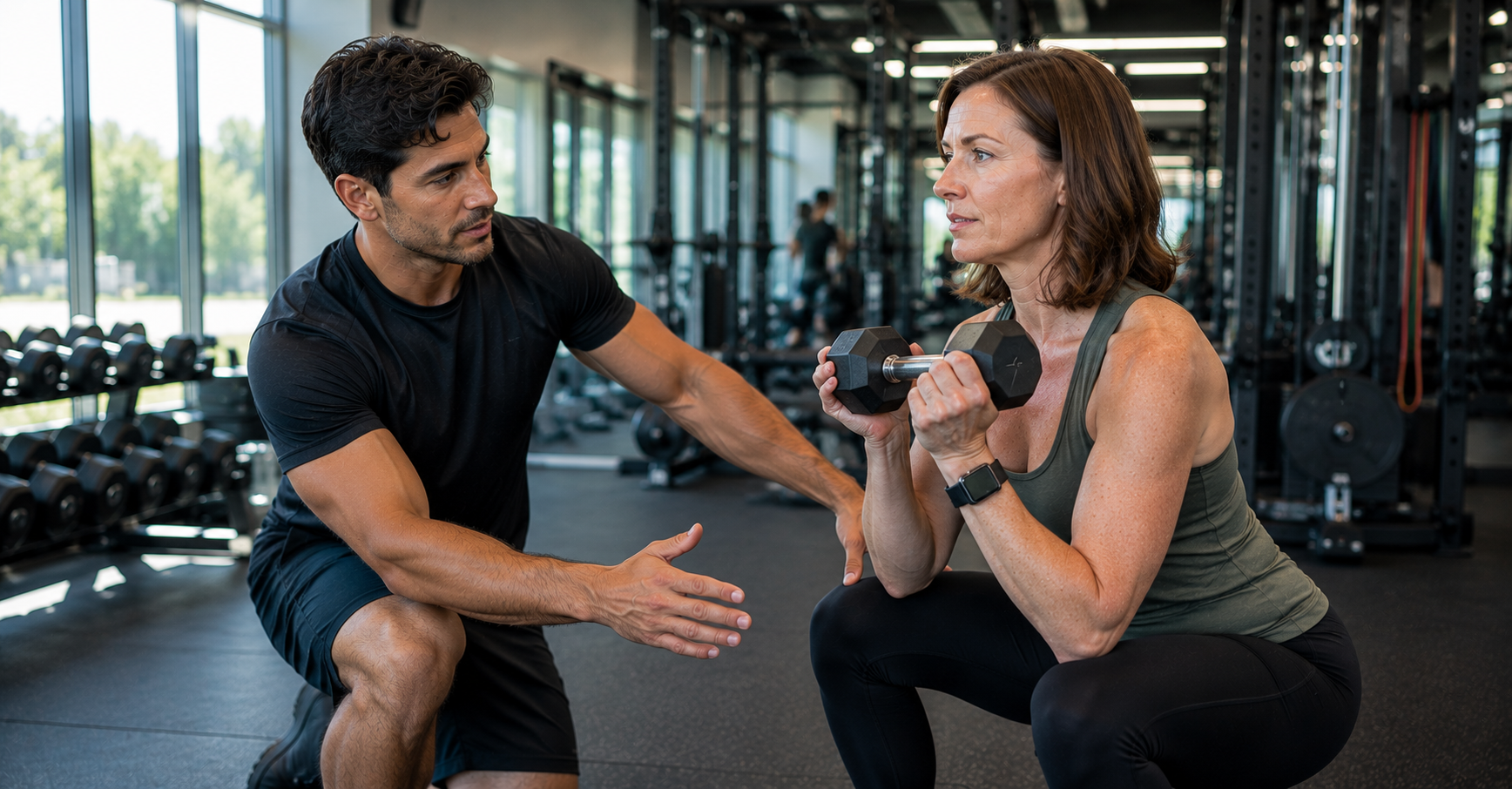
Professional indemnity is one of those insurance terms that gets mentioned often in the fitness industry but isn't always well understood. A lot of instructors and personal trainers hold it because it's required by a gym or a registration body — but fewer have a clear picture of what it actually does or why it's genuinely worth having.
The short version: professional indemnity covers you when a claim arises from your professional services — your instruction, your advice, your program design — rather than from a physical hazard or accident on the premises. It fills a gap that public liability doesn't cover, and in a service-based profession like fitness, that gap is real.
The Difference Between Public Liability and Professional Indemnity
This distinction is worth spending a moment on because it's the most common source of confusion. Public liability responds to claims involving physical injury or property damage caused by your premises, your environment, or your equipment. If a client trips over a kettlebell you left in a walkway and injures themselves, that's public liability territory.
Professional indemnity responds to claims involving your professional services — what you said, what you taught, what you recommended. If a client develops a shoulder injury and alleges that it was caused by the technique you coached them to use, that's a professional indemnity matter. Public liability isn't designed to address it.
Both policies matter for fitness instructors. The mistake is assuming you only need one.
What Kinds of Claims Trigger Professional Indemnity
In a fitness context, professional indemnity claims typically involve one of a few scenarios:
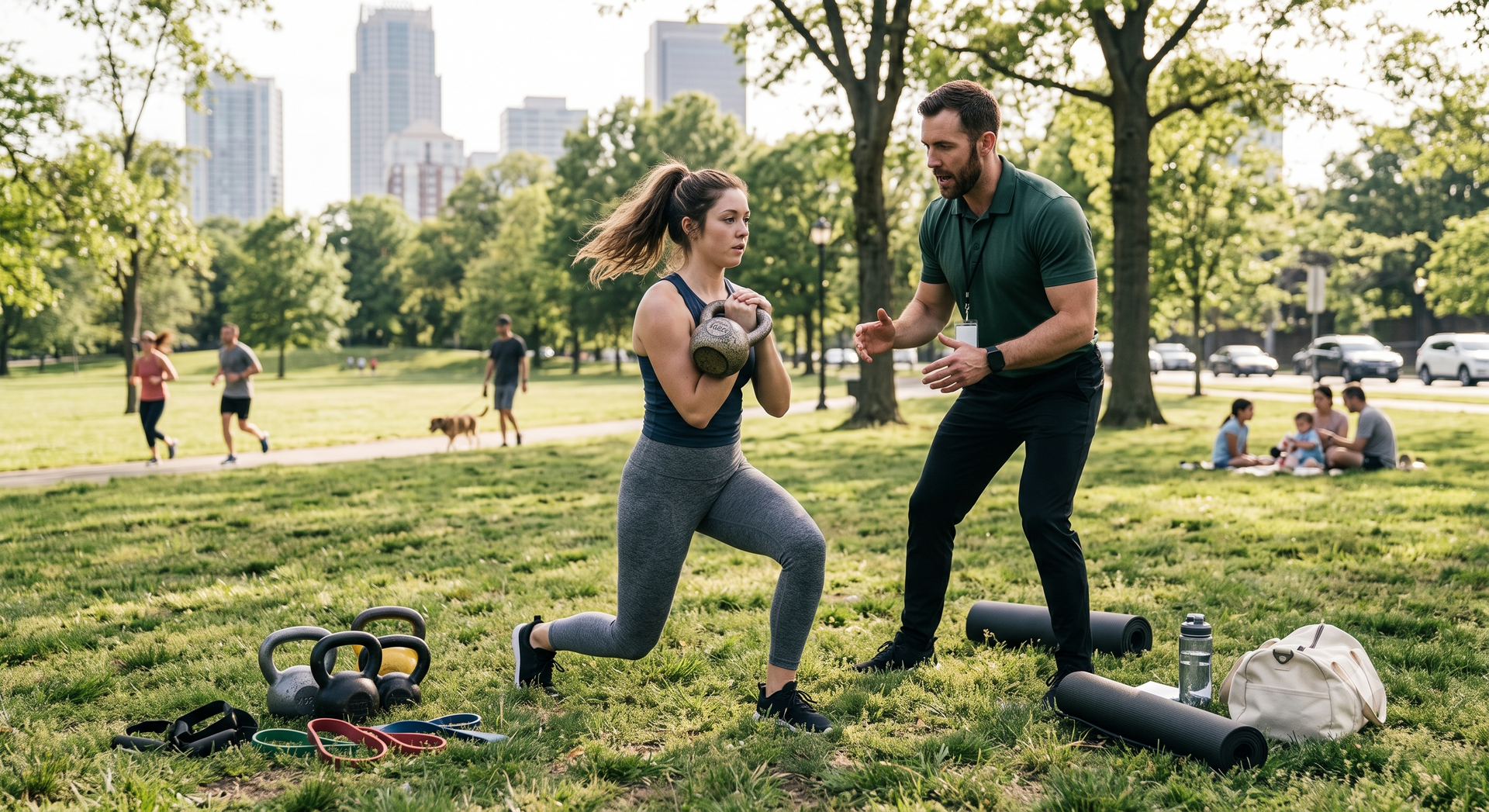
- A client attributes an injury to incorrect exercise technique they were taught during personal training sessions
- A member claims their program was progressed too quickly or didn't account for a pre-existing condition they disclosed
- Allegations that instruction during a group class was inadequate or unsafe given the participant group
- A client who followed a program or nutritional guidance that they later claim caused harm
- Advice given informally — before a session, via message, or after a class — that a client acted on
One thing many instructors don't realise is that a claim can generate significant legal costs even without a serious physical injury. The allegation of negligence in a professional service is enough to trigger a formal claims process, and the cost of legal defence can run into tens of thousands of dollars regardless of how the claim ultimately resolves.
Informal Advice Is Not Automatically Excluded
There's a common assumption that professional indemnity only applies during formal paid sessions. In practice, the test is whether the client reasonably relied on what was said in a professional context. A quick technique tip at the end of a class, a training recommendation sent via text between sessions, or a suggestion made during a casual conversation at the gym can all potentially fall within the scope of a professional indemnity claim if the client relied on that guidance and was harmed.
This isn't meant to make instructors paranoid about every interaction. It's just worth understanding that the professional relationship extends a little further than the formal session itself.
Making Sure Your Policy Actually Fits How You Work
The way professional indemnity policies are written matters quite a lot. A policy that describes your services as 'general fitness advice' may not respond well to a claim involving specific strength programming, corrective exercise, or combat sports coaching. The more accurately your policy describes what you actually do, the cleaner the path is to a claim being properly assessed.
Things worth checking about your current professional indemnity cover:
- Does it accurately describe your actual services — including any specialised formats like rehabilitation-adjacent work, martial arts instruction, or online coaching?
- Does it cover you across all the locations where you train clients, including parks, home visits, and studios you don't own?
- If you work as a contractor in multiple facilities, does the policy account for that arrangement?
- Does it cover advice given outside formal sessions — via messaging apps, email, or social media?
Who Needs It
Professional indemnity is relevant to anyone providing instruction or professional services in a fitness context. That includes personal trainers, group fitness instructors, strength and conditioning coaches, yoga and Pilates instructors, martial arts coaches, and studio owners who actively coach members. It's also relevant to anyone providing nutrition guidance, corrective exercise, or any service where the quality of professional advice is central to the client's experience.
If you provide a service that someone else relies on to guide their physical activity, there's a professional indemnity exposure worth addressing.
A Final Thought
Professional indemnity isn't about expecting the worst from your clients. Most instructors will go their entire careers without a claim. It's about recognising that in a service profession, the quality of your advice carries professional responsibility — and having appropriate cover means that if something does go wrong, you're not navigating the process alone or bearing the full financial weight of a legal dispute.
Protect What You've
Built — Properly.
Public liability, professional indemnity, business packs, and specialist martial arts cover — all under one roof. Compare your current policy or get a fresh quote with no obligation.
Disclaimer
This content is general information only and does not constitute legal or insurance advice. Coverage requirements vary based on each business’s activities and risk profile, and policy terms and exclusions apply.
For fitness businesses seeking industry-specific guidance, gym insurance brokers provide advice and insurance solutions aligned with real-world fitness operations and unstaffed access risk exposure.