
Public Liability Insurance for Gyms
What It Does, What It Doesn't, and Common Misconceptions

Public liability is often the first insurance product a gym owner encounters, and with good reason — it's typically required by landlords and councils before you can open your doors. Because it comes up so early and so often, it tends to get treated as the default answer to most insurance questions. 'Do I need insurance for that?' 'Yes, that's what public liability is for.'
In practice, public liability has a specific and defined scope. It's an important part of a gym's insurance program, but it's not as broad as it's often assumed to be. Understanding what it actually does — and where it doesn't apply — helps avoid the kind of unpleasant surprises that tend to show up at claim time.
What Public Liability Actually Covers
Public liability insurance responds to claims from third parties — members, visitors, contractors, guests — who allege they suffered injury or property damage in connection with your business's activities or premises. The key word is 'claim.' Public liability doesn't respond to incidents by themselves; it responds when someone formally alleges harm and seeks compensation.
In a gym context, third-party scenarios might include a member who claims they tripped on equipment left in a walkway, a visitor who alleges they were injured by a door that wasn't functioning correctly, or a contractor who claims their equipment was damaged while on site. These are the kinds of scenarios public liability is designed to respond to.
What Public Liability Doesn't Cover
This is where the common misconceptions sit. Public liability is often assumed to cover 'everything that happens at the gym.' It doesn't. Some of the most important things it doesn't address:
- Claims arising from your instruction or coaching services — those fall under professional indemnity, which is a separate policy
- Your own equipment, fit-out, and property — that requires business/property cover
- Employment-related claims from staff — that's management liability territory
- Your own business interruption if you can't operate — that requires specific business interruption cover
- Cyber incidents, data breaches, or digital risks
The fact that an injury occurred at your gym doesn't automatically mean public liability responds. The claim has to fall within the insured events as defined in the policy, which is assessed against the specific circumstances and the policy wording. An incident where a member was injured because of how they were coached is a very different claim to one where they were injured because of a physical hazard — and the two may be assessed under completely different policies.
Liability Limits: What the Numbers Mean
Gym insurance policies commonly reference liability limits of $10 million or $20 million. These figures come up frequently, partly because landlords and councils often specify a minimum they require. It's worth understanding what these numbers actually represent.
A $20 million liability limit means the maximum the insurer will pay in respect of any single claim (or in the aggregate, depending on the policy structure) is $20 million. It doesn't mean every claim will be paid up to that amount. The actual outcome of any claim depends on the circumstances, the policy terms, what's excluded, and whether the incident falls within the insured events at all.
Meeting a landlord's required limit gets you through the lease condition. It doesn't guarantee how any specific claim would be assessed.
Declared Activities and Locations Actually Matter
One of the more practically important aspects of public liability for gyms is the requirement to declare activities and locations. Insurers assess the policy based on what they know about your operations — and if something isn't declared, it can create complications when a claim arises from it.
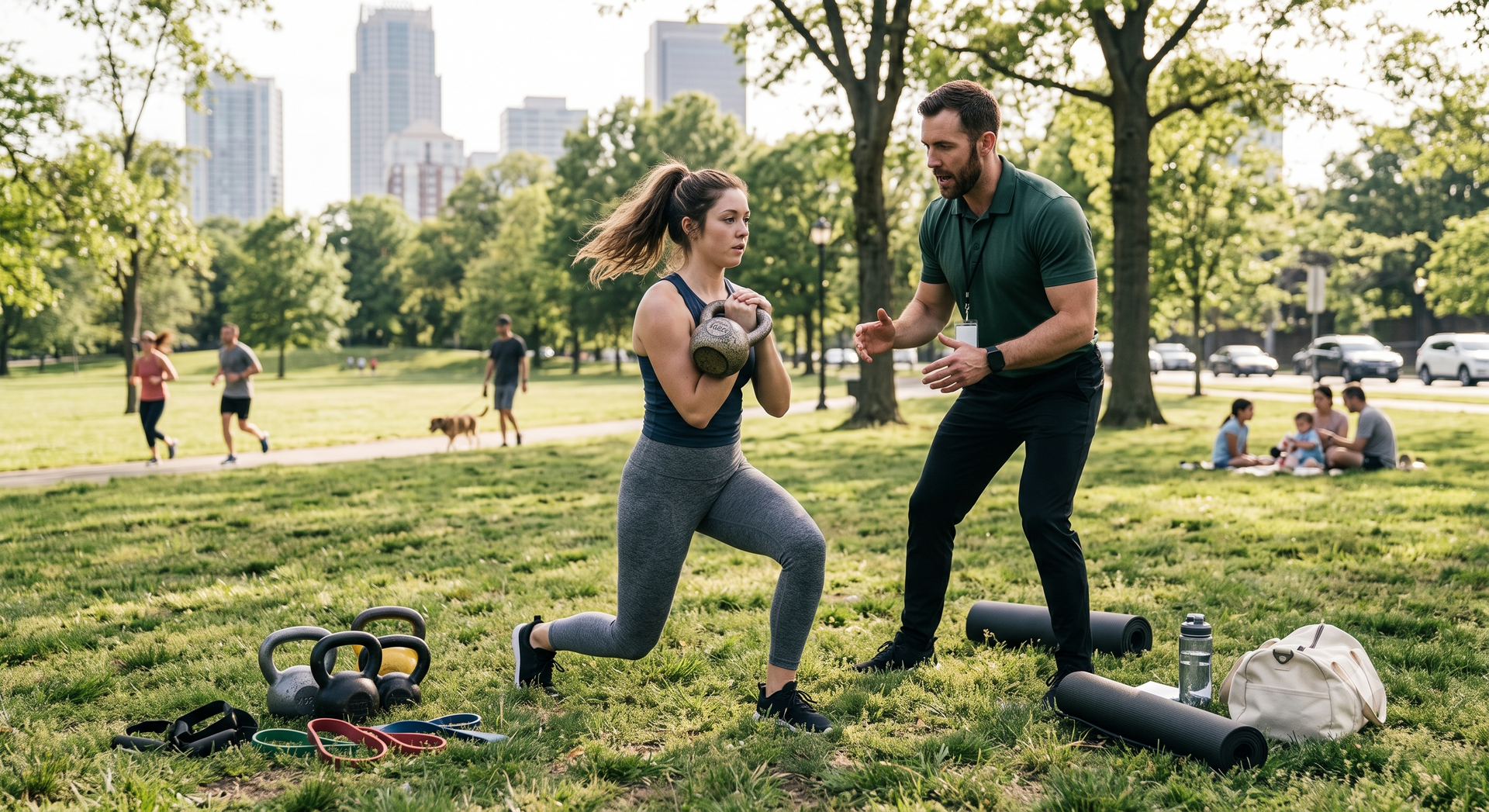
This is particularly relevant for gyms that have expanded their services or operate across multiple locations. Adding martial arts or combat sports classes, running outdoor bootcamps, or conducting sessions at a second location — each of these is worth a conversation with your broker to confirm whether it's within your current policy scope or whether an update is needed.
Public Liability and Contractual Requirements
A significant portion of public liability discussions in the fitness industry happen because a landlord or council requires it, not because the gym owner has independently thought through their risk profile. That's understandable — it's how most people get introduced to it.
It's worth separating the two functions, though. Meeting a contractual requirement for public liability gets you the certificate of currency your landlord needs. Whether the cover is actually appropriate for your specific operations — the right activities declared, the right limits, the right structure — is a separate question that deserves its own attention.
Protect What You've
Built — Properly.
Public liability, professional indemnity, business packs, and specialist martial arts cover — all under one roof. Compare your current policy or get a fresh quote with no obligation.
Disclaimer
This content is general information only and does not constitute legal or insurance advice. Coverage requirements vary based on each business’s activities and risk profile, and policy terms and exclusions apply.
For fitness businesses seeking industry-specific guidance, gym insurance brokers provide advice and insurance solutions aligned with real-world fitness operations and unstaffed access risk exposure.