
How Gym Insurance Differs From Standard Business Insurance — and Why It Matters
Understanding why fitness businesses face unique risks that standard commercial policies aren't always designed to address.
It's a reasonable assumption that business insurance is business insurance. You need cover, you find a policy, and you're protected. In practice, the gap between that assumption and reality is where a lot of fitness business owners run into trouble.
Standard business insurance products are designed around the most common commercial environments — retail shops, offices, hospitality venues. Those environments share certain characteristics: controlled access, predictable physical interactions, limited public movement, and services that are mostly transactional. Gyms are different in almost every one of those dimensions, and that difference matters when a claim occurs.
It Starts With How People Use Your Business
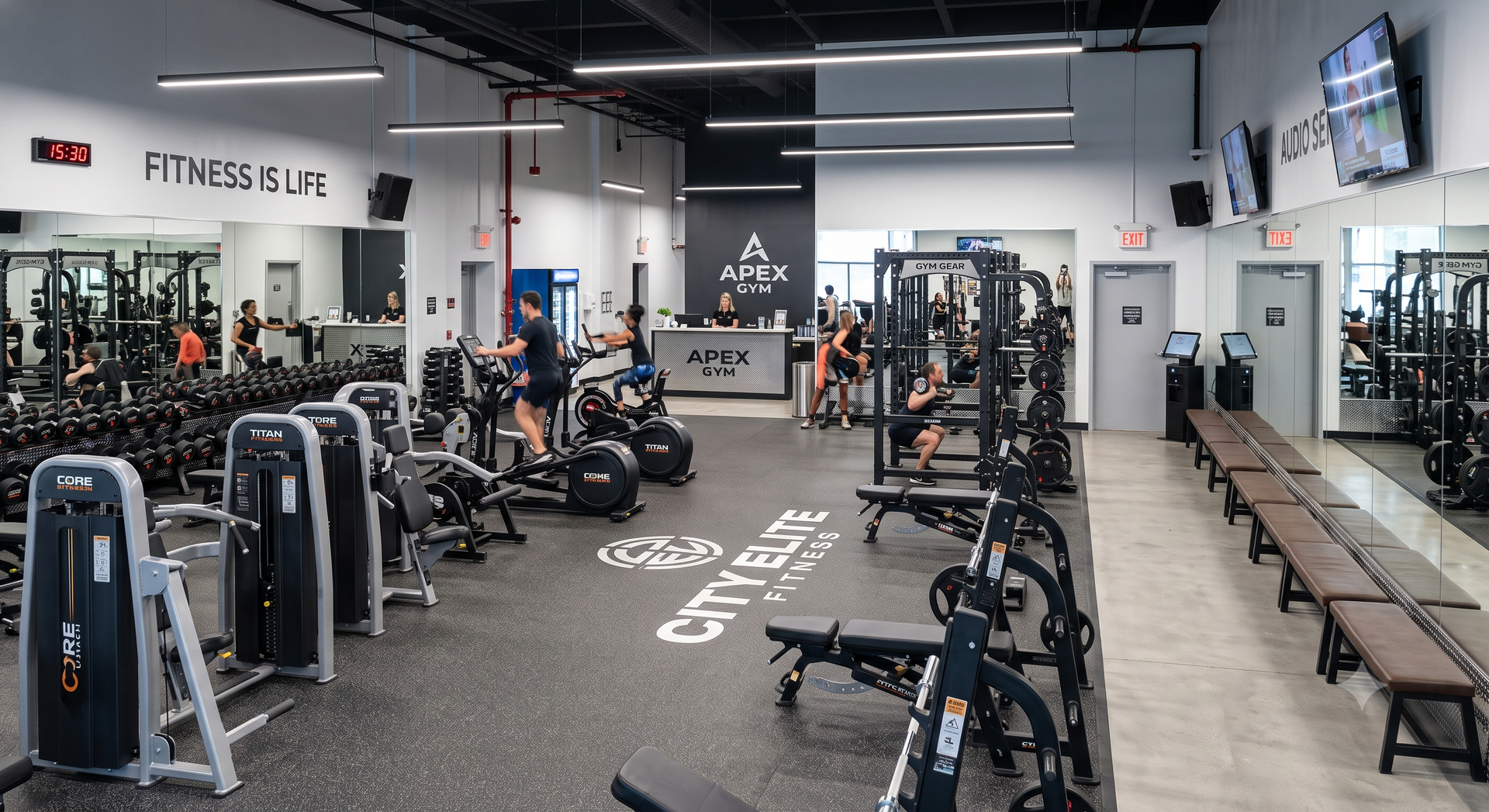
In a retail environment, customers come in, browse, make a purchase, and leave. The physical interaction is minimal and brief. In a gym, members come in and move continuously, often intensely, for an extended period. They lift heavy objects, they run, they jump, they grapple. Some of them do this unsupervised during unstaffed hours.
That physical intensity changes the frequency and nature of potential incidents significantly. Standard business insurance is generally not written with this profile in mind. When an insurer looks at a gym, they're assessing a fundamentally different risk environment — one that requires different policy structures, different exclusion frameworks, and in many cases specific endorsements that simply don't exist in off-the-shelf commercial products.
Equipment Use Is a Specific Difference
Most businesses use equipment that's operated by staff, used infrequently, and not designed for physical exertion. A gym's equipment is the opposite: it's used by dozens or hundreds of different people every day, it involves significant mechanical forces in some cases, and it's often operated independently by members who received minimal instruction on how to use it safely.
Standard property and liability coverage may not be structured to reflect this. The maintenance expectations, the frequency of use assumptions, and the independent operation context all factor into how insurers assess liability when equipment is involved in an incident. A policy that works well for a café's commercial kitchen equipment isn't necessarily appropriate for a commercial free-weight area.
The Instruction Dimension
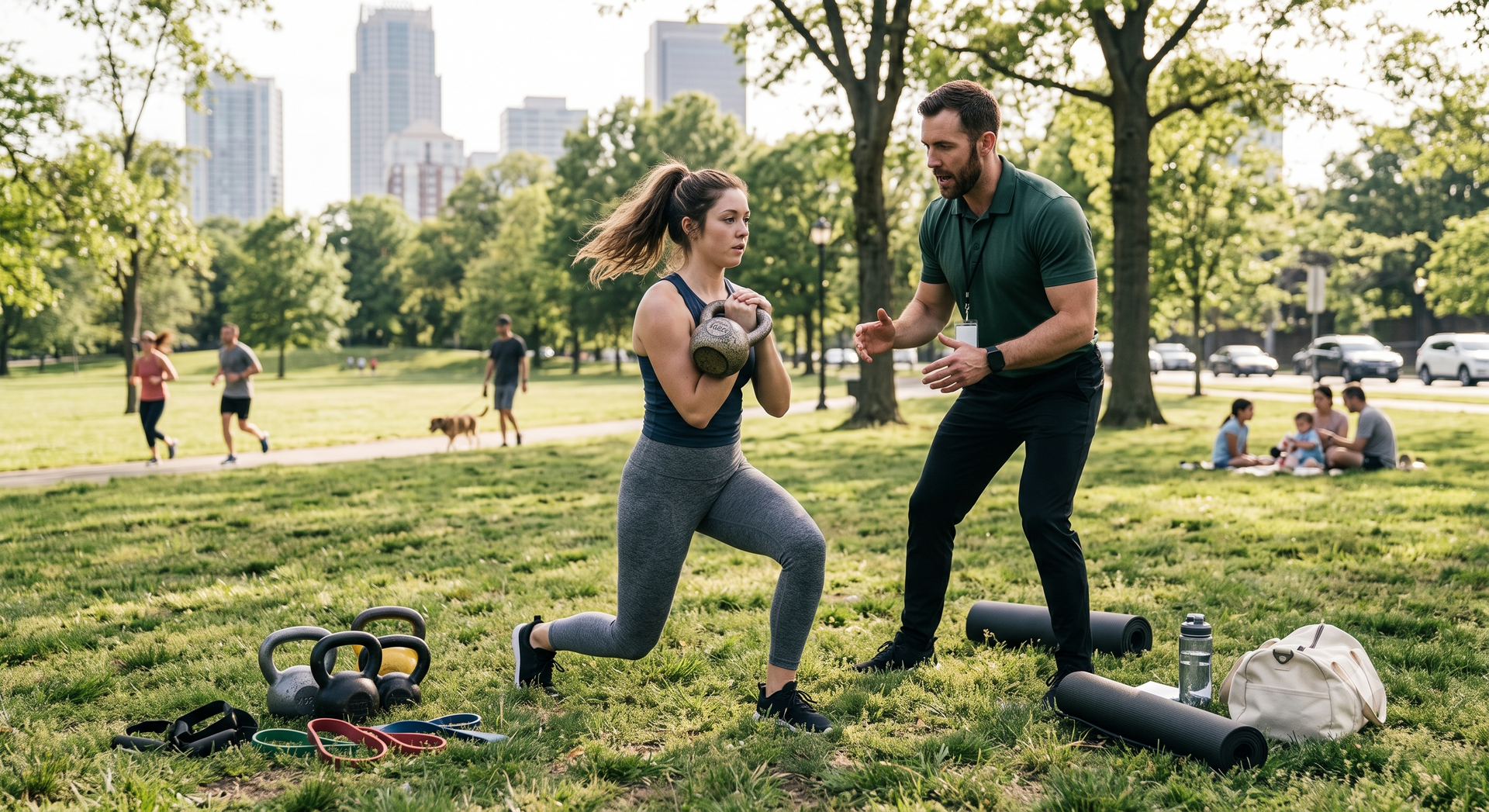
Most businesses provide products or transactional services. Gyms provide instruction — and instruction creates a category of liability that doesn't exist in most other small business environments. When a trainer tells a client to perform a movement, corrects their technique, designs their program, or advises on their training load, a professional relationship is established that generates professional indemnity exposure.
Standard business insurance packages often don't include professional indemnity at all, or include it with exclusions that apply to physical services or fitness instruction specifically. If a claim arises from what a coach said or showed a client — rather than from a hazard on the premises — the standard business policy may simply not respond.
Public Access Hours and Supervision Levels
Many businesses operate during set hours with staff present throughout. Gyms increasingly don't. Extended access models, 24/7 facilities, and partially staffed operations are widespread in the Australian fitness industry. These operating models aren't inherently uninsurable, but they introduce considerations that need to be addressed specifically in the policy — not assumed to fall within standard commercial cover.
When an incident occurs during an unstaffed period, insurers look closely at what the policy says about supervision, operating hours, and independent member access. If those things haven't been declared and accounted for, the policy assessment becomes complicated.
Why This Means Specialist Insurance Matters
The practical upshot of all this is that a gym arranged under a generic commercial package is often underexposed in ways that only become apparent when something goes wrong. The policy exists, the premium has been paid, and the gym owner has no reason to think they're not covered — until they make a claim and find that the activity, location, operating model, or service wasn't within what the policy was designed for.
Specialist fitness industry insurance exists because the standard commercial framework genuinely doesn't map well onto how gyms operate. Policies structured for the fitness industry account for contact activities, instructional liability, independent equipment use, extended hours, and the range of formats — group classes, personal training, combat sports, outdoor programs — that a modern fitness business might run.
The difference isn't necessarily in the price. It's in the accuracy of the coverage. If you'd like to talk through how your current cover lines up with how you actually operate, we're happy to have that conversation.
Disclaimer
This content is general information only and does not constitute legal or insurance advice. Coverage requirements vary based on each business’s activities and risk profile, and policy terms and exclusions apply.
For fitness businesses seeking industry-specific guidance, gym insurance brokers provide advice and insurance solutions aligned with real-world fitness operations and unstaffed access risk exposure.