
Pilates and Yoga Instructor Insurance: Cover That Travels With You
Insuring Instructors Who Teach Across Multiple Studios
Pilates and Yoga Instructor Insurance: Cover That Travels With You
Insuring Instructors Who Teach Across Multiple Studios
Many Pilates and yoga instructors don't work from a single fixed studio. They teach across multiple venues throughout the week, run outdoor classes in parks or on beaches, and sometimes deliver private sessions in a client's home. This kind of mobility is increasingly common in the industry, particularly for instructors who are building a freelance teaching practice rather than working as an employee at one location. But this flexibility creates a specific insurance consideration that a standard, single-location studio policy doesn't always address — and it's one worth understanding properly before an incident forces the issue.
Why a Single-Address Policy Doesn't Travel With You
A policy tied to one address won't automatically extend to other venues, no matter how similar those venues might seem in terms of activity. If you teach Pilates at one studio on Mondays, yoga at a community centre on Wednesdays, and run private reformer sessions at a third location on weekends, your Public Liability cover needs to explicitly follow you to each of these locations — not just the studio you're based at most often.
This is a detail that catches out a surprising number of instructors, particularly those who started out teaching at a single studio and gradually built up a broader teaching schedule over time. The insurance arrangement that made sense when you taught from one venue may no longer reflect your actual working pattern. If a claim arises from an incident at a venue your policy doesn't recognise, you may find that your cover simply doesn't respond — not because the policy was poorly chosen, but because it was never updated to reflect how your teaching practice had grown.
This is worth checking specifically, rather than assuming that "Public Liability" as a general category automatically covers wherever you happen to be working on a given day. The policy wording itself needs to reflect a multi-venue teaching practice if that's genuinely how you operate.
Professional Indemnity: A Different Kind of Claim Entirely
Professional Indemnity matters here too, and it addresses a category of risk that's distinct from a general premises incident. If a client follows your specific instruction on a movement, a stretch, or a postural adjustment, and is injured as a result, this is a professional instruction claim. It's fundamentally different to a client slipping on a wet studio floor or tripping over a prop left out of place.
A claim involving a client's injury that's attributed directly to your coaching — the way you adjusted their alignment in a forward fold, the resistance level you set on a reformer, the depth you encouraged in a particular stretch — sits in the territory of professional advice and instruction. This is not something every Public Liability policy automatically responds to, because Public Liability is generally built around incidents arising from your presence and your equipment, not the substance of the guidance you're actually giving as a qualified instructor.
For Pilates and yoga teachers specifically, this distinction deserves real attention. Much of what defines the value of a class is the hands-on correction and individualised guidance an instructor provides — adjusting a client's hip position, deepening a stretch, modifying a movement for someone with an existing injury. Each of these is an exercise of professional judgement, and if that judgement is later called into question, Professional Indemnity is the cover that responds, not a standard liability policy. Carrying Public Liability without Professional Indemnity leaves exactly this gap exposed, often without the instructor realising it until a claim is made.
Equipment: A Real and Often Underestimated Investment
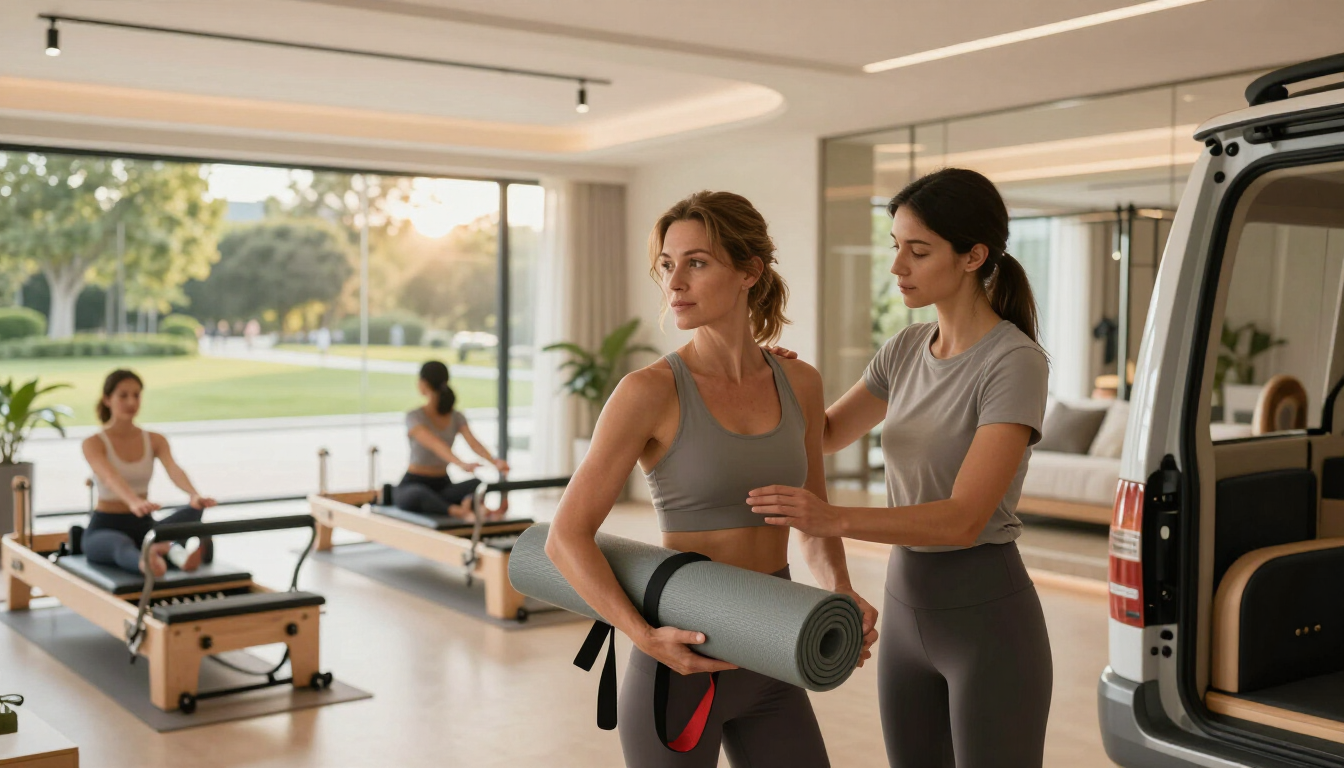
Equipment is another consideration that's easy to overlook when comparing instructor insurance options. Reformers, mats, blocks, straps, resistance bands, and bolsters represent a genuine financial investment, and for instructors who transport gear between venues on a regular basis, the exposure to loss or damage is higher than it might be for someone working from a single, fixed location.
A reformer machine alone can represent a significant cost, and even smaller items like mats and props add up quickly when you're equipping a mobile teaching practice across several venues. It's worth confirming specifically whether your policy covers equipment loss or damage while it's in transit — being moved between your car and a venue, for example — as well as while it's actually in use during a class. Some policies draw a distinction between equipment kept on a fixed premises and equipment that travels with the instructor, and this distinction matters considerably for anyone running a genuinely mobile practice.
If you're investing in higher-value equipment like a portable reformer or a set of resistance machines for outdoor or home-based sessions, this is a conversation worth having directly with your broker rather than assuming a standard policy automatically extends the same protection to gear that leaves the studio.
Outdoor Classes Need to Be Specifically Declared
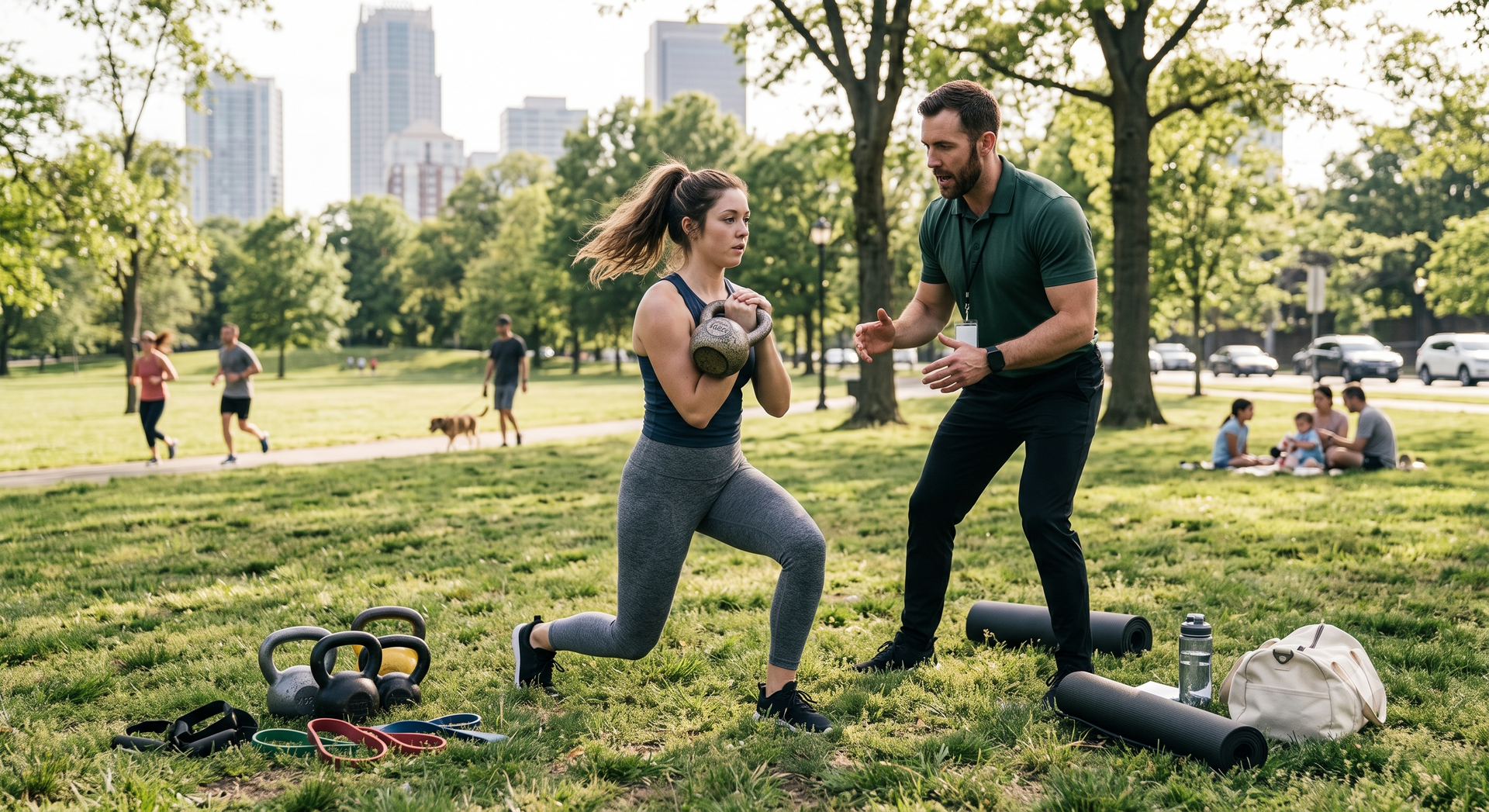
If you teach outdoors — in parks, on beaches, in community spaces, or at outdoor retreats — make sure this is specifically declared as part of your policy. Some studio-based policies are written around indoor activity only, on the assumption that classes take place within a controlled, fixed environment. Outdoor teaching introduces variables that an indoor-only policy may not have been priced or structured to address: uneven ground, weather conditions, members of the public moving through a shared space, and a different overall risk environment to a studio floor.
This doesn't mean outdoor teaching is difficult to insure — it's an increasingly common part of the yoga and Pilates landscape, particularly for instructors running sunrise beach classes, park-based sessions, or seasonal outdoor programs. It simply means the activity needs to be declared and reflected in your policy rather than assumed to be automatically included under a studio-focused arrangement. If your teaching schedule includes any outdoor component, raise this specifically when arranging or reviewing your cover.
Private and Home-Based Sessions
Private sessions delivered in a client's home introduce a further variation worth considering. You're operating in an environment you don't control — different flooring, different space constraints, potentially pets or other household members present — and your policy should reflect that this is a genuine part of your teaching practice, not an occasional exception. If home visits are a regular part of how you work with clients, this should be disclosed and built into your cover in the same way as your studio and outdoor teaching locations.
Building Cover That Matches How You Actually Teach
The common thread across all of these considerations is straightforward: insurance for Pilates and yoga instructors needs to reflect the actual shape of your teaching practice, not a generic assumption about what a "studio instructor" does. If you teach across multiple venues, run outdoor sessions, deliver private home visits, and transport your own equipment, each of these elements should be specifically accounted for in your policy rather than left to assumption.
Gym & Fitness Insurance Brokers can arrange Public Liability and Professional Indemnity cover that reflects how Pilates and yoga instructors actually work — across multiple venues, in varied environments, and with the equipment investment that comes with a genuinely mobile teaching practice, not just a single studio address.
Disclaimer
This content is general information only and does not constitute legal or insurance advice. Coverage requirements vary based on each business’s activities and risk profile, and policy terms and exclusions apply.
For fitness businesses seeking industry-specific guidance, gym insurance brokers provide advice and insurance solutions aligned with real-world fitness operations and unstaffed access risk exposure.