
The Gym's Insurance Covers Me — Why This Belief Is Costing Australian PTs
The Most Expensive Misunderstanding in the Australian Fitness Industry
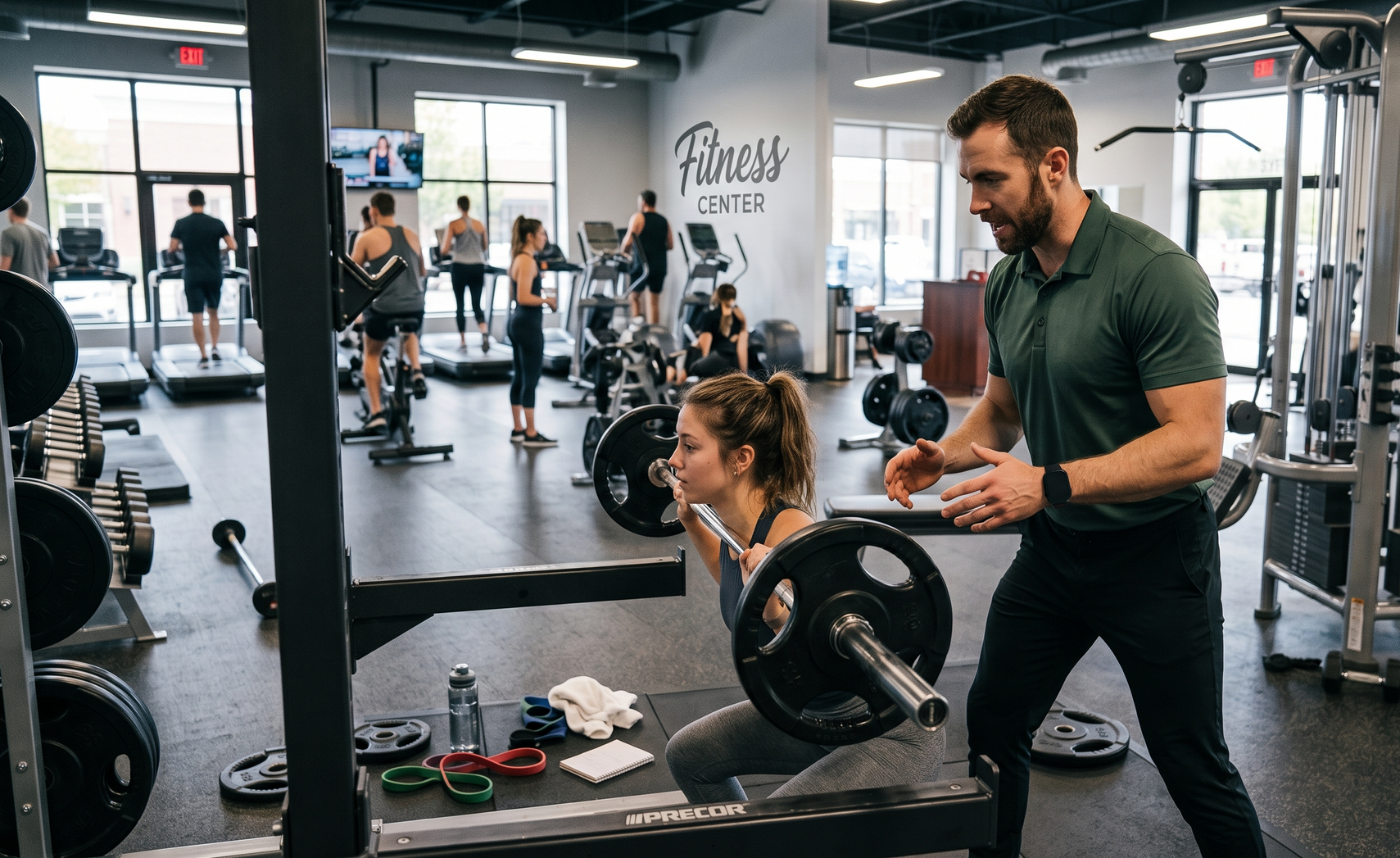
It is the most common insurance misunderstanding in the Australian fitness industry, and it surfaces constantly in trainer forums, Reddit threads, and conversations between new PTs comparing notes. The belief goes like this: I train clients at a commercial gym, so the gym's insurance covers me if something goes wrong.
It does not. And the financial and professional consequences of discovering this at the point of a claim are serious enough that it is worth understanding clearly before you step onto that gym floor as a contractor.
How Gym Insurance Actually Works
A gym's Public Liability policy is arranged to cover the gym's operations — the facility, the equipment, the activities run by the gym itself, and the conduct of the gym's own employees. When you train clients at a commercial gym as a self-employed personal trainer or independent contractor, you are not an employee of the gym. You are an independent operator using the facility.
The gym's policy covers the gym. If a client is injured during your session and makes a claim, the claim may be directed at you personally — not at the gym — because it is your instruction and your program that the client was following. In this scenario, the gym's Public Liability policy has no reason to respond on your behalf. You are the named party in the claim, and you need your own insurance to defend it.
The Named Defendant Problem
This becomes clearest when you think about a specific scenario. A client follows your programming and develops a chronic injury. They allege your exercise prescription was inappropriate for their history and condition. The claim is about the quality of your professional instruction — which is a Professional Indemnity matter, not a Public Liability matter, and it is directed at you as the instructor, not at the gym as a facility operator.
Even in a straight Public Liability scenario — a client trips over your equipment bag in the gym — the claim may well be directed at you because it was your bag and your responsibility to manage it safely. The gym's insurance does not cover your equipment, your movements around the facility, or your professional conduct as a contractor.
What the Gym Actually Requires From You
This misunderstanding is common in part because gyms routinely ask PTs to produce a certificate of currency before they can train clients on premises. Many PTs obtain a policy specifically to satisfy this requirement and then assume that the existence of a certificate means they are adequately covered. The certificate satisfies the gym's contractual requirement. It does not guarantee that the cover behind it matches the risks you actually face as a working PT.
Most commercial gyms require a minimum of $10 million in Public Liability. Some specify $20 million, particularly in larger facilities or shopping centre locations. The requirement is real and needs to be met — but it is also just the starting point for your insurance program, not the complete picture.
Why Professional Indemnity Is Not Optional
For any PT who gives programming, exercise prescription, or specific coaching instruction — which is every PT — Professional Indemnity is essential. PL covers the physical incidents. PI covers the professional judgment. A client who injures themselves following your advice and alleges that your programming was inappropriate is bringing a PI claim. A policy that only covers PL leaves you personally exposed to this scenario.
The cost of defending a Professional Indemnity claim without cover in place — legal representation, investigation, potential compensation — is significant. The premium for PI cover alongside PL is modest by comparison. There is no reasonable cost argument for not having both.
The Multi-Venue Question
If you train clients across multiple gyms, parks, community spaces, or client homes, each of these locations needs to be within the scope of your policy. A policy tied to one address does not automatically follow you everywhere you work. Confirming in writing with your broker that your policy covers all your working locations is a straightforward step that closes a real gap.
Gym Insurance Brokers — Your Own Cover, Built for How You Work
We arrange Public Liability and Professional Indemnity for personal trainers who work across one location or many. We understand how PTs actually operate — across multiple venues, with portable equipment, training clients with varied health histories — and we structure cover accordingly. If you are currently relying on the gym's insurance or on a policy you have not reviewed recently, call us.
Disclaimer
This content is general information only and does not constitute legal or insurance advice. Coverage requirements vary based on each business’s activities and risk profile, and policy terms and exclusions apply.
For fitness businesses seeking industry-specific guidance, gym insurance brokers provide advice and insurance solutions aligned with real-world fitness operations and unstaffed access risk exposure.