
Understanding Insurance Requirements for Australian Gyms and Fitness Studios
A practical overview of the key insurance covers that help protect fitness businesses, trainers, members, and facilities across Australia.
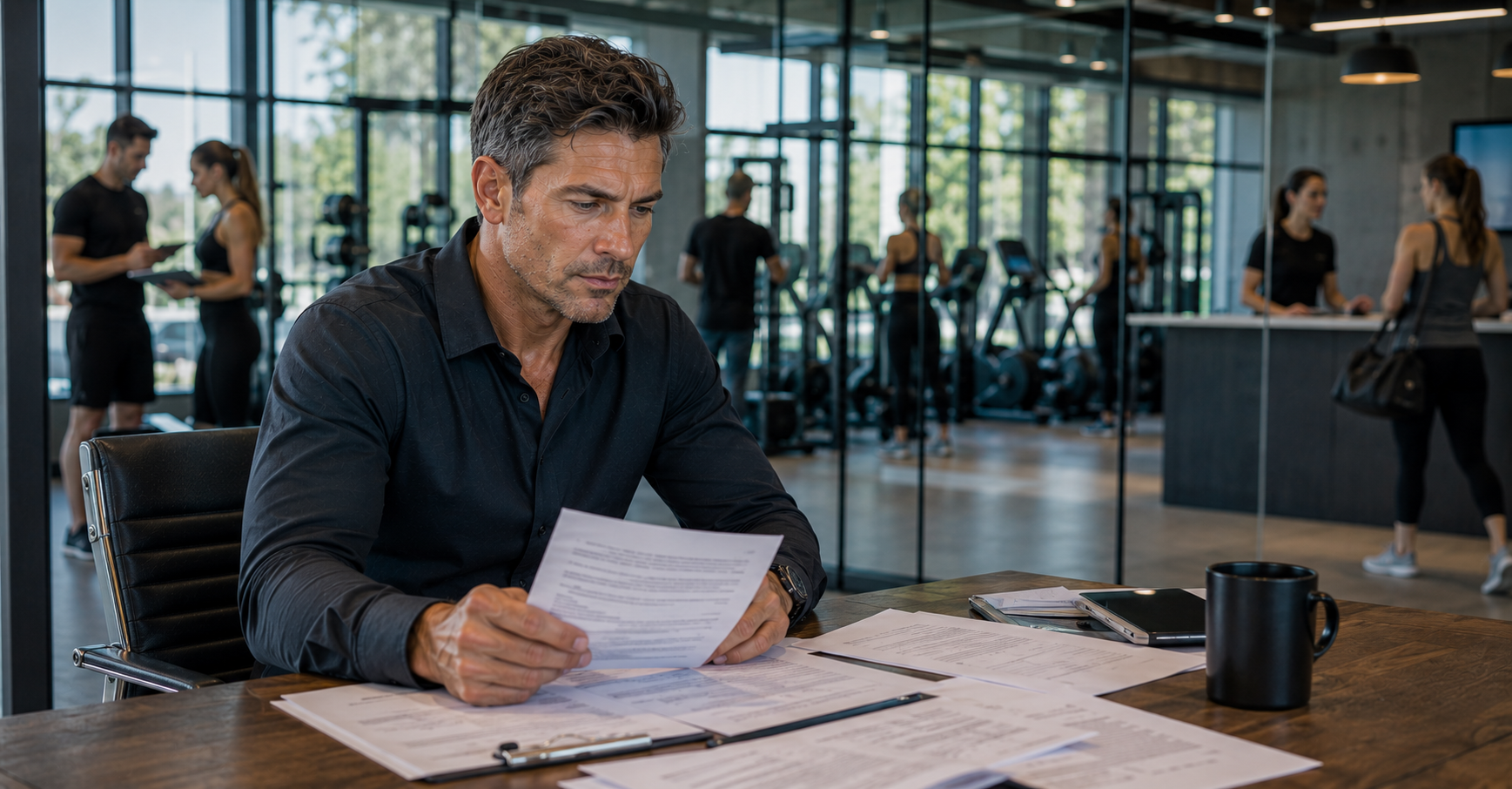
Gym owners are regularly told they 'need' insurance — by landlords, by councils, by franchise agreements, and sometimes by industry bodies. That's generally accurate in practice. But the full picture of where insurance requirements come from, and what they actually mean for your business, is worth understanding clearly.
The nuance that often gets missed is that there's no single Australian law that mandates a specific type of insurance for all gyms. The requirements that affect fitness businesses typically flow through contracts and operational arrangements, not directly through legislation. Understanding that distinction helps you navigate those requirements with more confidence.
Where Insurance Requirements Actually Come From
The most common source of insurance requirements for gyms is the commercial lease agreement. Almost every landlord — whether a shopping centre, a standalone commercial property, or a shared facility — will include insurance clauses specifying what cover tenants must maintain and at what limits. These clauses are enforceable through the lease, which means failing to maintain the required insurance can affect your right to occupy the premises.
Council permits and approvals often carry similar requirements, particularly if you're operating on public land, in a council-managed facility, or running activities that require a permit. The conditions attached to those permits typically specify insurance as a requirement for continued approval.
Franchise agreements and brand licensing arrangements often impose the most detailed requirements, specifying particular products, limits, and sometimes specific insurers or brokers. If you're operating under a franchise model, the insurance requirements in your agreement are worth reviewing carefully alongside your own operational needs.
What the Required Limits Actually Mean
When a landlord or council specifies a minimum public liability limit — commonly $10 million or $20 million — it's worth understanding what that number represents and what it doesn't.
The limit represents the maximum amount the insurer will pay in respect of covered claims. It's not a guarantee that claims will be paid up to that amount. The actual assessment of any claim depends on the policy terms, the circumstances of the incident, what's declared and covered, and whether the claim falls within the insured events at all.
What the required limit definitely does is satisfy the contractual condition. It gives the landlord or council the assurance that financial capacity exists to respond to claims. Whether the underlying cover is actually appropriate for your operations is a separate — and equally important — consideration.
Public Liability as a Contractual Requirement vs an Operational One
It's useful to think of insurance requirements on two levels: the contractual level (what you need to satisfy your lease, permit, or agreement) and the operational level (what actually protects your business given how it runs).
Many gym owners focus primarily on the contractual level — getting the certificate of currency that the landlord needs and moving on. That's a reasonable starting point. But the operational level is where the actual value of insurance lives. A policy that meets your landlord's requirements but doesn't accurately reflect your activities, your locations, or your services may leave gaps that only become visible when you need the cover to respond.
Professional Indemnity and Why It's Often Needed Separately
Commercial leases and council permits typically focus on public liability. They're concerned with third-party injury and property damage connected to your premises. Professional indemnity — which covers claims arising from your instruction and coaching services — doesn't usually appear in lease conditions, but that doesn't mean it's optional.
For any gym or studio that provides instruction, coaching, or training services, professional indemnity is a genuinely important part of the insurance picture. The absence of a contractual requirement for it doesn't change the exposure. It just means the initiative to arrange it needs to come from the business owner rather than being prompted by a third-party requirement.
Employment-Related Insurance
Gyms that employ staff or engage contractors should also think about management liability, which covers employment-related claims including unfair dismissal, workplace discrimination, and adverse action. These obligations aren't typically captured in lease requirements, but the employment relationship generates its own set of exposures that standard public liability doesn't address.
Workers' compensation is handled separately through state-based schemes and is a genuine legal requirement in most situations involving employees — distinct from the commercial insurance products discussed here.
A Practical Approach
The most useful way to approach insurance requirements as a gym owner is to separate two questions: what do my contracts require me to have, and what does my business actually need to be properly protected? The first question is answered by reading your lease and other agreements. The second question requires a conversation about how you actually operate.
Protect What You've
Built — Properly.
Public liability, professional indemnity, business packs, and specialist martial arts cover — all under one roof. Compare your current policy or get a fresh quote with no obligation.
Disclaimer
This content is general information only and does not constitute legal or insurance advice. Coverage requirements vary based on each business’s activities and risk profile, and policy terms and exclusions apply.
For fitness businesses seeking industry-specific guidance, gym insurance brokers provide advice and insurance solutions aligned with real-world fitness operations and unstaffed access risk exposure.