
Insurance for 24/7 and Unstaffed Gyms: What's Different and What to Think About
Exploring the insurance factors that become increasingly important when members train without staff present.
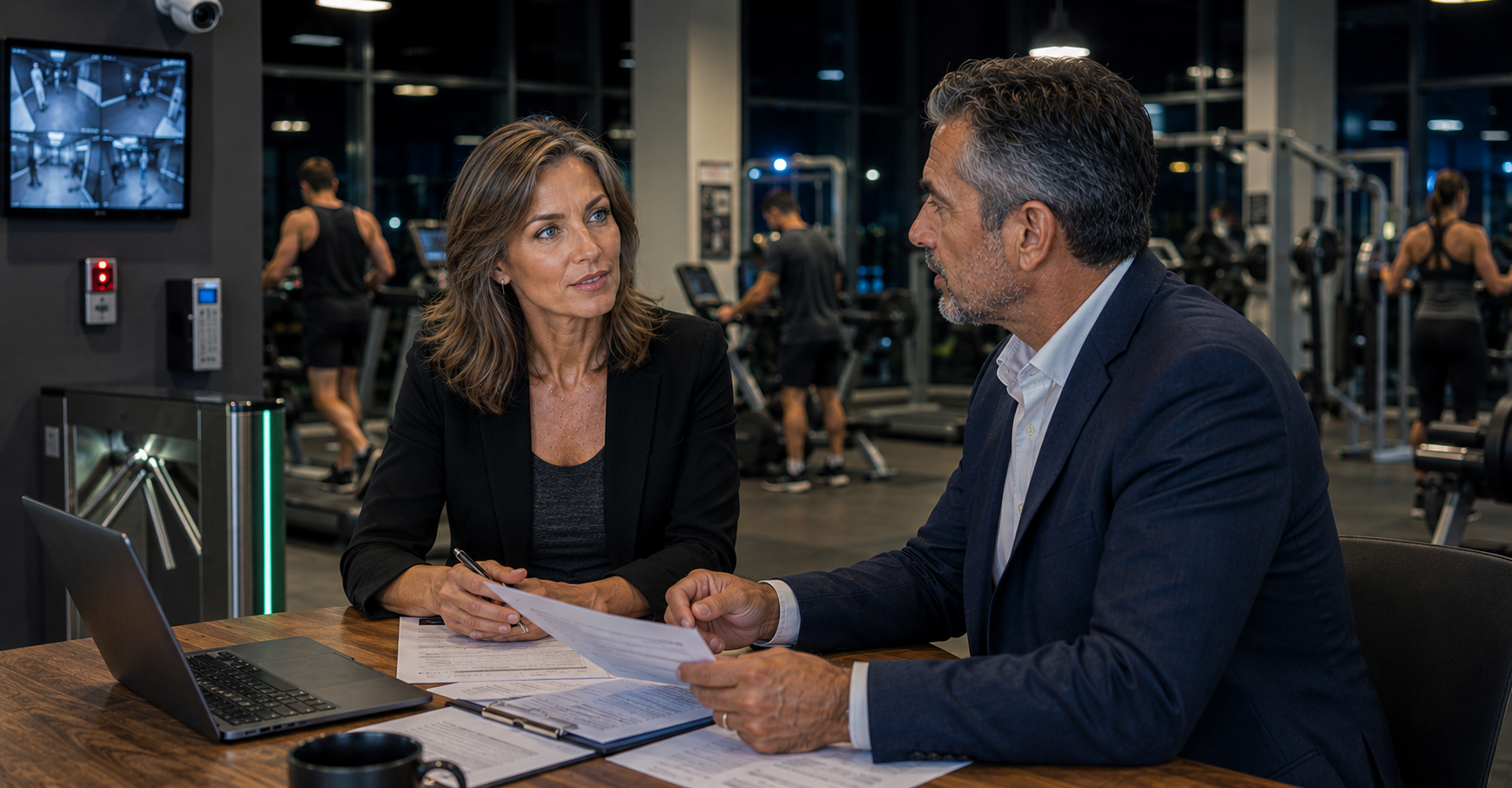
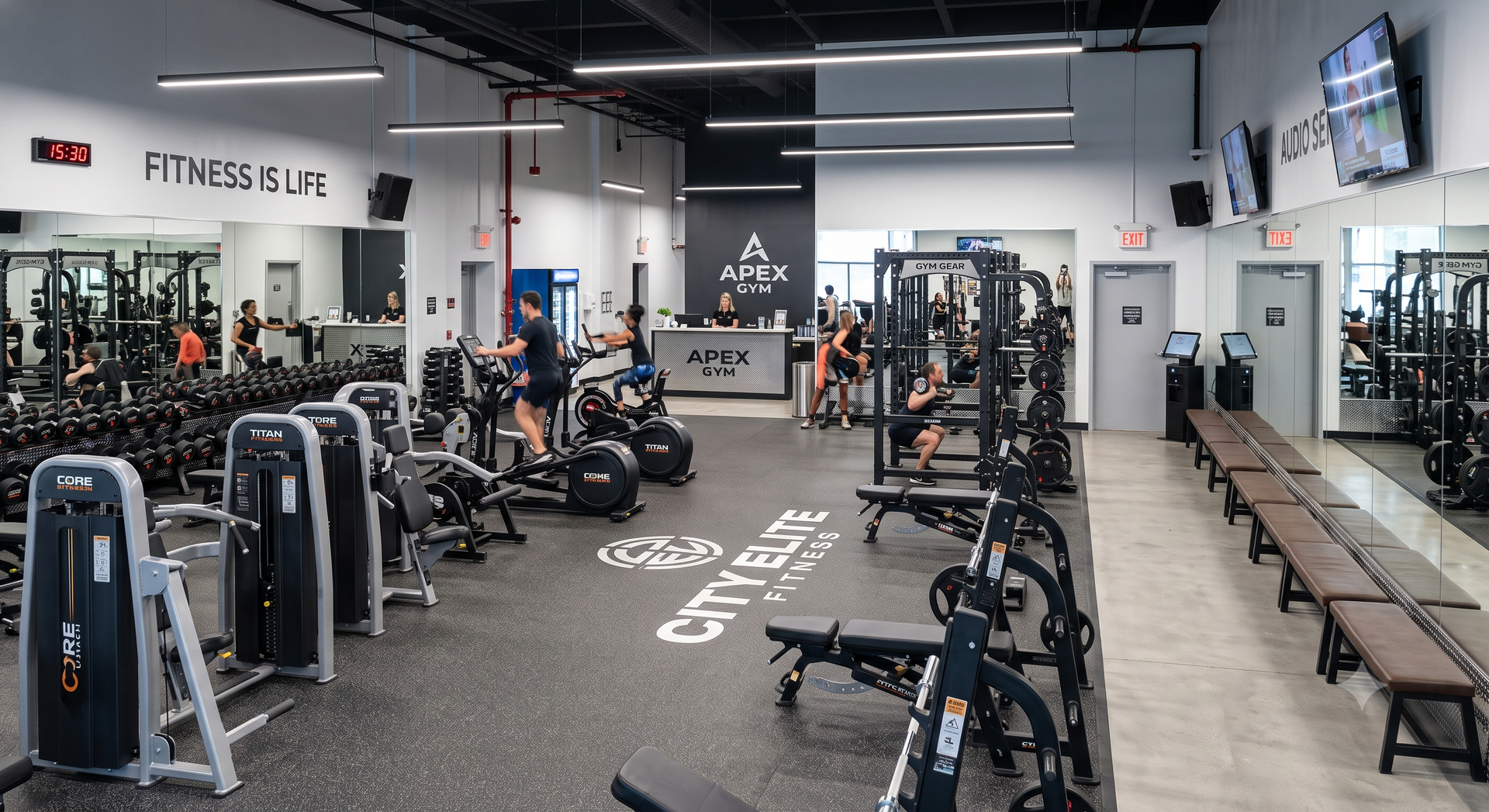
The 24/7 gym model has grown significantly across Australia over the past decade, and it's easy to understand why. Members value the flexibility. Operators benefit from higher utilisation without proportionally higher staffing costs. Technology — keyless entry, CCTV, digital management systems — has made the model operationally viable for businesses of all sizes.
From an insurance perspective, extended and unstaffed access doesn't make a gym uninsurable, and it doesn't automatically make cover more expensive. What it does do is introduce some specific considerations worth understanding before you assume your existing policy handles it.
What Changes When Members Train Without Staff Present
The core difference between a staffed and unstaffed gym isn't just about who's in the room. It's about the response time to incidents, the ability to intervene in unsafe situations, and the chain of information that follows an event. When something goes wrong during a staffed session, there's a person on site to assist, document, and initiate the incident reporting process. During an unstaffed period, the gym owner may not be aware of an incident until significantly later.
Insurance doesn't require staff to be present to respond to a claim — that's a common misconception. But how an incident unfolds, what information is available, and whether appropriate steps were taken after the event all matter during the claims assessment process. A 24/7 operator who has documented their operating model, their safety systems, and their incident reporting procedures is in a much stronger position than one who hasn't.
What Your Policy Should Reflect
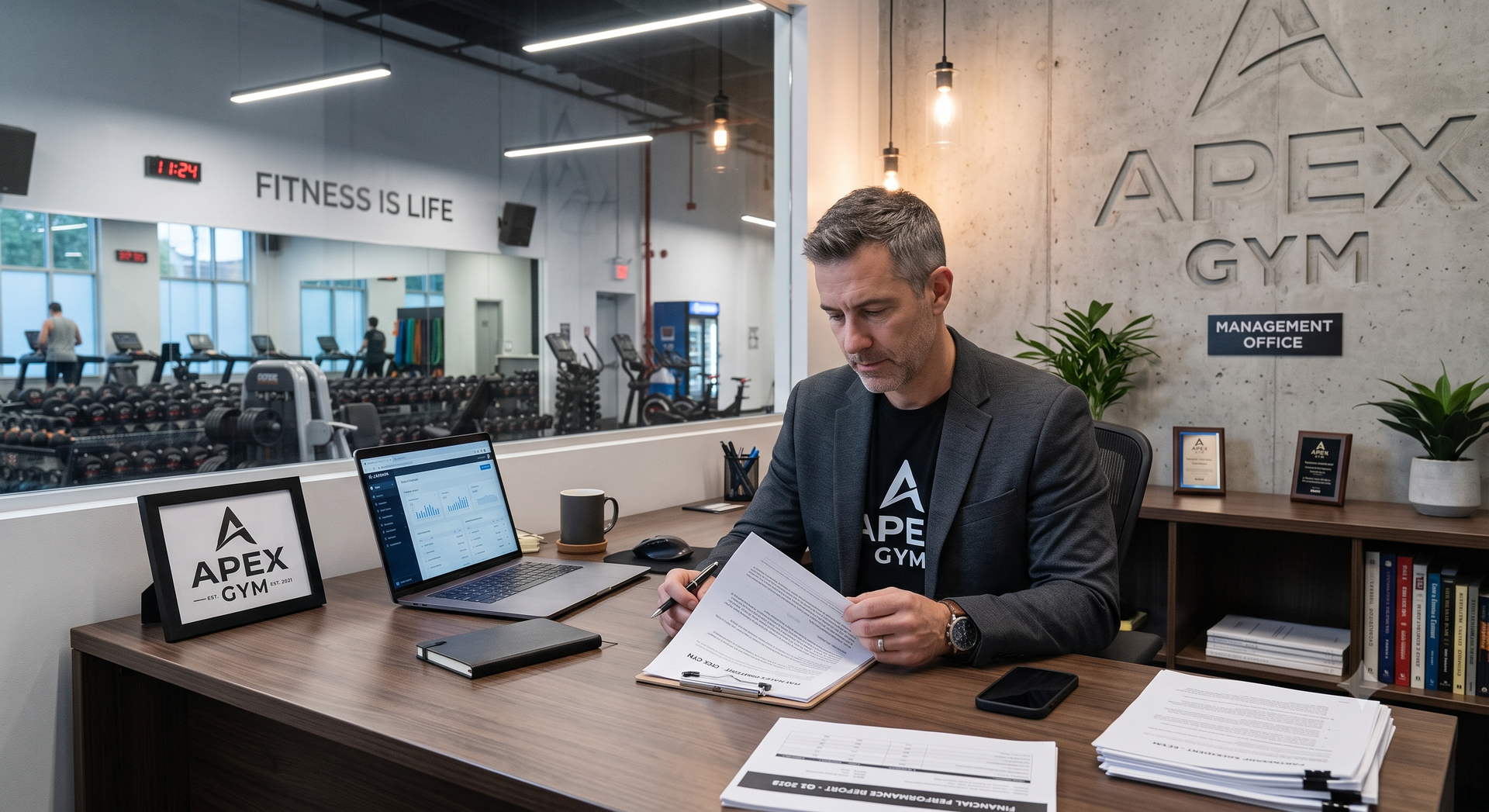
If you operate a 24/7 or partially unstaffed facility, the starting point is making sure your policy actually reflects that. This sounds obvious, but it's genuinely common for policies to be arranged based on a business's original operating model and then not updated as hours extend or staffing levels change.
Things worth confirming with your broker or insurer:
- Are your actual operating hours declared, including any unstaffed periods?
- Does the policy address independent member access — situations where members are using the facility without direct supervision?
- Are the access control and monitoring systems you rely on (key fobs, CCTV, emergency contacts) reflected in your risk management documentation?
- If you have a medical emergency protocol or emergency contact system, is that documented in a way that supports the policy?
None of these are reasons to worry unnecessarily. They're practical steps that make the policy actually fit your operation — rather than fitting the more general description of 'gym insurance.'
Public Liability in an Unstaffed Environment
Public liability in a 24/7 gym operates the same way it does in any other fitness environment: it responds to claims from third parties alleging injury or property damage in connection with your business. The absence of staff at the time of an incident doesn't automatically exclude a claim.
What it does mean is that the circumstances surrounding the incident will be reviewed carefully. Was the environment maintained appropriately? Were safety systems functioning? Was the member using the facility in the way the membership agreement permits? These questions exist regardless of staffing model — but in an unstaffed context, the answers depend entirely on documentation and systems rather than on a staff member's account of events.
Member Screening and Waivers Matter More in This Model
In a staffed gym, an instructor can observe a new member, assess their capability, and intervene if something looks unsafe. In a 24/7 model, that layer of oversight isn't available during unstaffed periods. This makes the quality of your membership intake process — health questionnaires, induction requirements, waiver documentation, usage rules — significantly more important.
These aren't just administrative boxes to tick. They form part of the risk management framework that an insurer will review if a claim occurs. A clear, documented onboarding process that establishes what members agreed to, what information they provided, and what rules govern their use of the facility provides meaningful protection.
Equipment Maintenance Becomes Especially Important
In a staffed gym, staff notice when equipment is malfunctioning and can take it out of service or flag it immediately. In a 24/7 model, equipment might be used by multiple members before anyone notices a problem. Regular, documented maintenance schedules are part of good operations regardless — but in an unstaffed environment, they carry additional weight if equipment is ever involved in an incident.
The documentation of maintenance matters as much as the maintenance itself. A record showing that equipment was checked regularly and that issues were addressed promptly is evidence of responsible operation. The absence of that record, even if the maintenance was done, is harder to rely on.
Getting the Right Cover in Place
Twenty-four-hour and unstaffed gyms are a well-established part of the Australian fitness landscape, and there are appropriate insurance products available for them. The key is making sure the policy reflects how you actually operate — not just that you're a gym.
If you're setting up a 24/7 facility, transitioning from a staffed model, or just reviewing whether your existing cover still fits, we're happy to work through it with you.
Protect What You've
Built — Properly.
Public liability, professional indemnity, business packs, and specialist martial arts cover — all under one roof. Compare your current policy or get a fresh quote with no obligation.
Disclaimer
This content is general information only and does not constitute legal or insurance advice. Coverage requirements vary based on each business’s activities and risk profile, and policy terms and exclusions apply.
For fitness businesses seeking industry-specific guidance, gym insurance brokers provide advice and insurance solutions aligned with real-world fitness operations and unstaffed access risk exposure.