
A Waiver Isn't Insurance: What Australian Gym Owners Often Get Wrong
Why the Signed Form at Reception Doesn't Protect You the Way You Think
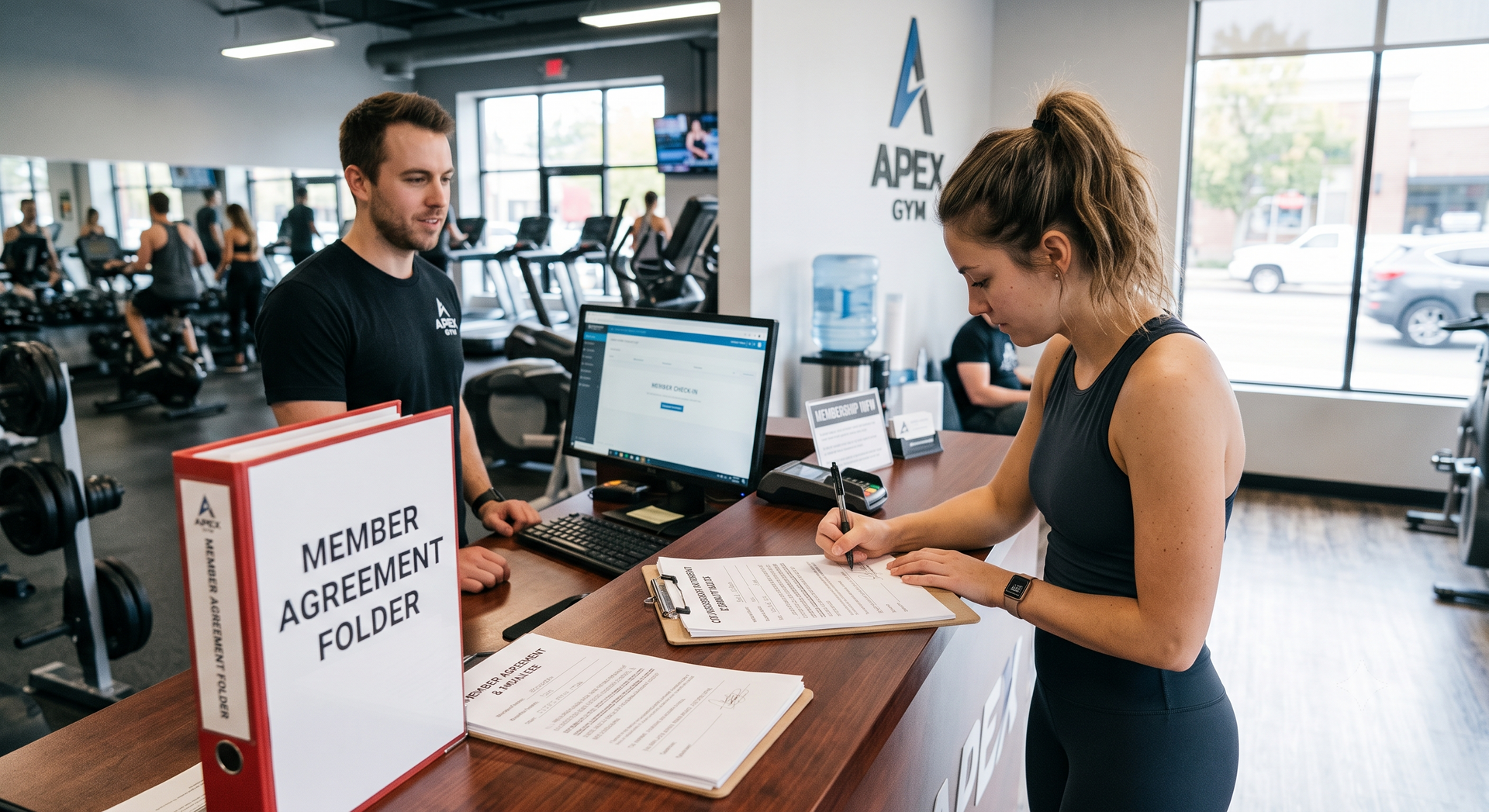
There is a belief that circulates through Australian gym ownership communities that goes something like this: as long as every member has signed our waiver, we are protected. It shows up in Facebook groups, in conversations between new gym owners, and in the advice that gets passed around informal networks. And it is wrong in a way that has real financial consequences.
A waiver is a legal document. Insurance is a financial product. They serve different purposes and they work completely differently. Understanding what a waiver actually does — and what it cannot do — is the foundation of genuinely protecting your gym business.
What a Waiver Actually Does
A waiver — more precisely, a participant agreement and informed consent document — serves two legitimate purposes in a gym context. First, it communicates the nature of the activity and its inherent risks to the participant, creating a record that they were informed before they took part. Second, it can reduce the likelihood of speculative or low-merit claims by making it harder for a participant to argue they were unaware of the risks they were taking on.
These are real benefits. A well-drafted waiver, combined with a thorough induction process, demonstrates that your gym takes member safety seriously and that participants were genuinely informed. This matters — both as a risk management practice and as evidence of your operational standards if a claim is made.
What a Waiver Cannot Do
A waiver cannot transfer liability for your own negligence to a participant. If your gym was genuinely negligent — if equipment was poorly maintained, if supervision was inadequate, if an instructor's conduct fell below a reasonable standard — a waiver will not prevent a successful claim against you. Australian courts regularly scrutinise waivers and do not uphold them when the conduct in question goes beyond the ordinary risks the participant was informed about.
A waiver also does not replace the legal obligation to maintain duty of care. Your duty of care to members exists regardless of what they have signed. If your facility creates a risk that a reasonable operator would have identified and addressed, a waiver does not eliminate your responsibility for that risk.
And critically: a waiver does not provide any financial response to a claim. It cannot pay your legal defence costs. It cannot cover compensation if a claim succeeds. It cannot keep your business operating while a dispute is resolved. Only insurance can do these things.
The Seven-Year Window That Changes Everything
One of the most important pieces of information about gym liability claims that waiver-reliant operators often do not have is the claims window. In Australia, a public liability claim can be made up to seven years after an incident in some circumstances — and gym operators are encouraged to keep comprehensive incident records for the full seven years.
This means the waiver a member signed three years ago, before your staff changed and your supervision practices evolved, is the document that may be scrutinised against a claim made today. The gap between what the waiver said the risks were and what the member actually experienced becomes the central question. A waiver is only as good as the training environment it describes.
What the Combination Actually Looks Like
Good risk management for a gym is not waivers instead of insurance. It is waivers alongside insurance, plus documented safety procedures, plus qualified instructors, plus maintained equipment, plus incident records, plus a broker who understands your operation.
A well-drafted waiver combined with comprehensive Public Liability and Professional Indemnity cover is a genuinely strong position. A waiver without adequate insurance behind it is a document that may reduce certain risks while leaving the most significant financial risks completely unaddressed.
Disclaimer
This content is general information only and does not constitute legal or insurance advice. Coverage requirements vary based on each business’s activities and risk profile, and policy terms and exclusions apply.
For fitness businesses seeking industry-specific guidance, gym insurance brokers provide advice and insurance solutions aligned with real-world fitness operations and unstaffed access risk exposure.