
Managing Insurance for Hybrid Gyms
In-Person, Online, and Outdoor Training Explained

Many gyms now operate using hybrid delivery models that combine traditional in-person training with online programs and outdoor sessions. These models offer flexibility for members and allow gyms to reach wider audiences, but they also introduce operational characteristics that differ from single-location, facility-based training.
From an insurance perspective, hybrid training models are not assessed based on popularity or innovation. They are assessed based on how activities are delivered, where they occur, and how they are defined within policy documentation.
This article provides general insurance information to explain how insurance commonly interacts with hybrid gym operations. It is intended for educational purposes only and does not provide personal advice.
What Is a Hybrid Gym Model?
A hybrid gym typically offers a combination of:
- In-person training at a physical facility
- Online or digital instruction
- Outdoor or off-site training sessions
These elements may operate simultaneously or as separate programs. While members may view them as part of a single service, insurance policies often assess them as distinct activity types.
Why Hybrid Training Changes Insurance Considerations
Traditional gym insurance is often structured around:
- A fixed premises
- Equipment-based training
- On-site supervision
Hybrid models introduce variables such as:
- Training outside declared locations
- Instruction delivered without physical supervision
- Participants training independently
Insurance policies do not automatically adapt to these changes. Coverage remains subject to declared activities and policy wording.
In-Person Training: The Baseline Reference Point
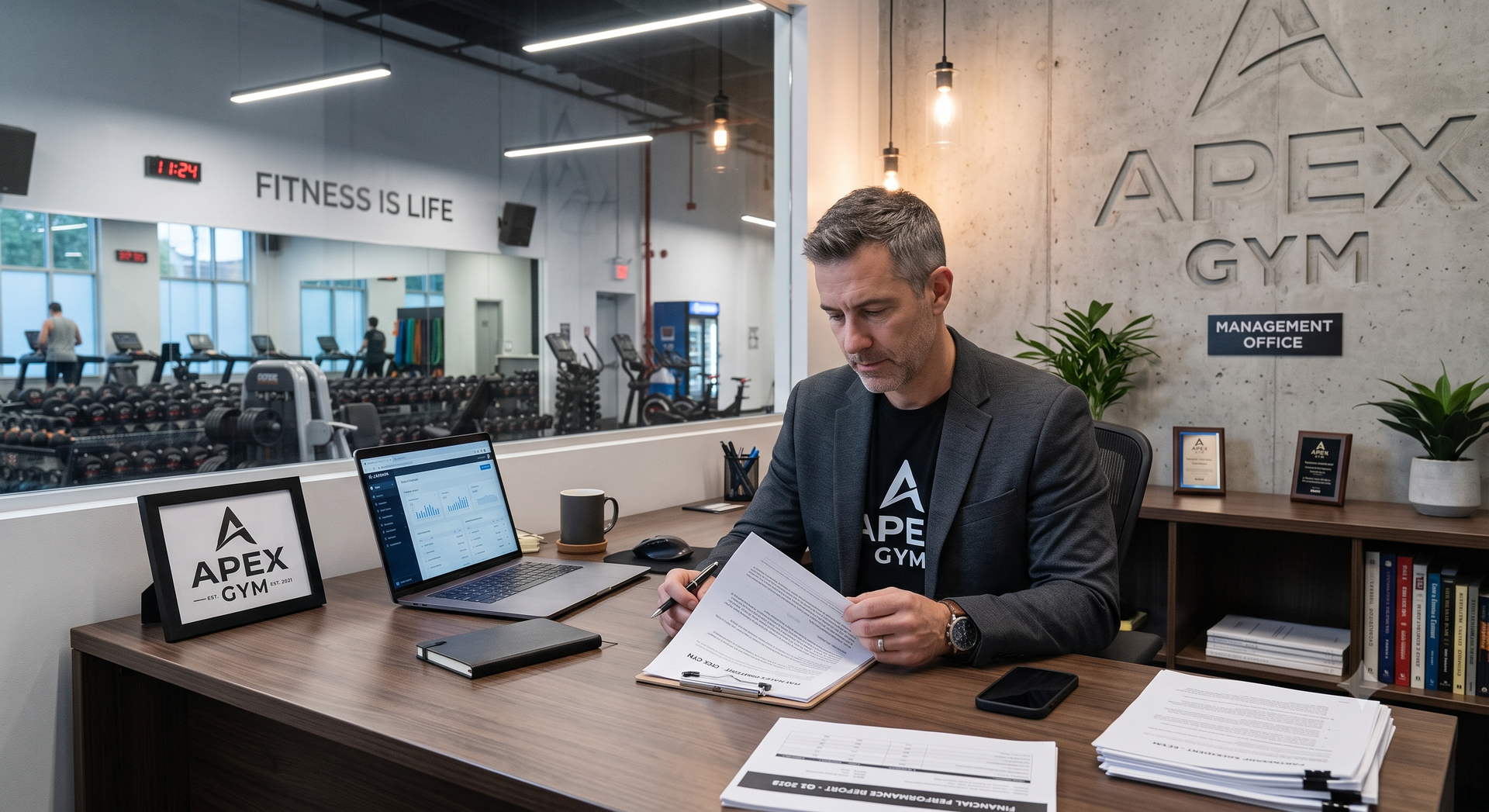
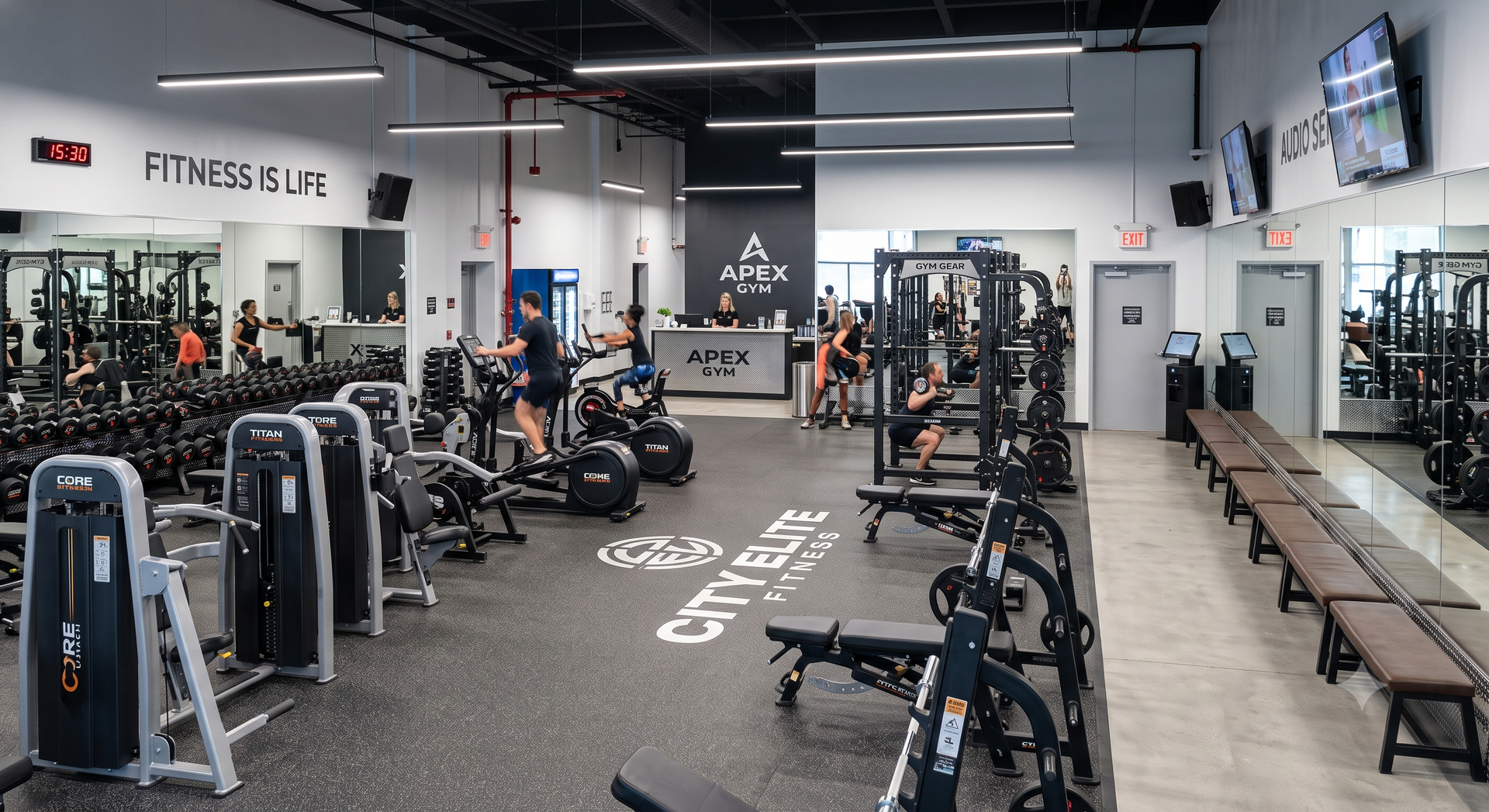
In-person training at a gym facility is typically the baseline used when insurance is arranged. This may include:
- Equipment use
- Group classes
- Personal training
Insurance documentation usually references the premises, operating hours, and activities conducted at that location. Any activity that falls outside this framework may require separate consideration from an insurance awareness perspective.
Online Training and Digital Instruction
Online training may include:
- Live-streamed classes
- Pre-recorded workouts
- Instructional video libraries
From an insurance perspective, online training introduces several considerations:
- Instruction delivered without physical presence
- Participants training in uncontrolled environments
- Limited ability to supervise technique or surroundings
Insurance policies arranged for physical premises may not automatically apply to online services unless they are included in policy definitions.
Outdoor and Off-Site Training Sessions
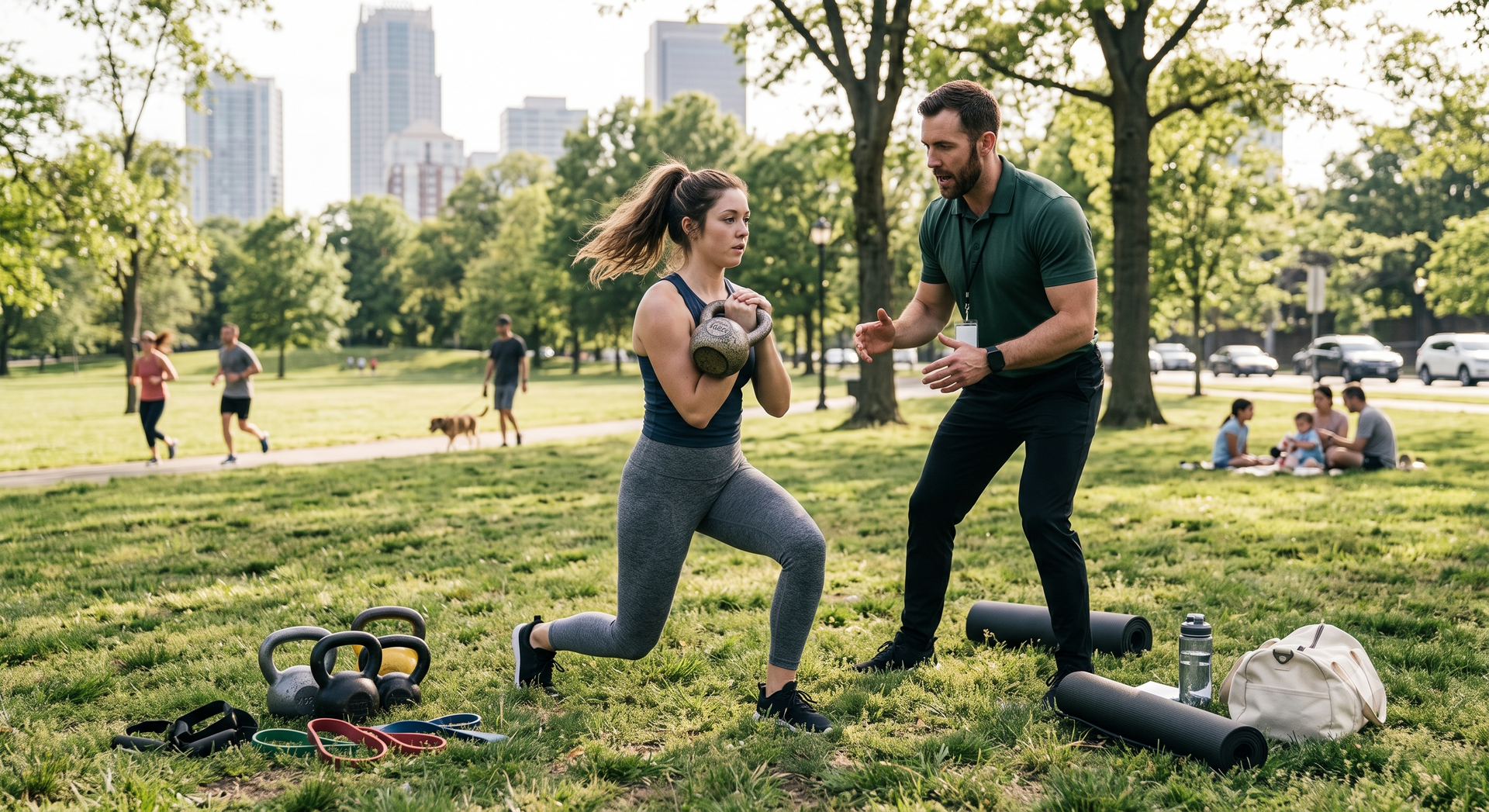
Many gyms offer outdoor training such as:
- Park-based bootcamps
- Beach or community sessions
- Corporate or school-based fitness programs
Insurance policies often specify covered locations. Training conducted outside declared premises may:
- Require disclosure
- Be subject to different definitions
- Fall outside standard coverage
Outdoor environments introduce variables such as public access, uneven surfaces, and shared spaces, which insurers assess differently from controlled indoor facilities.
Group Classes Across Multiple Environments
Hybrid gyms may deliver group classes:
- On-site
- Online
- Outdoors
While the class format may appear consistent, insurance assessment focuses on where and how the class is delivered. The same class name does not imply identical insurance treatment across different environments.
Supervision and Participant Independence
Hybrid models often rely on increased participant independence. This may include:
- Unsupervised online sessions
- Outdoor training with limited facility control
- Self-directed workouts based on gym programming
Insurance does not assess training quality or participant discipline. It assesses whether the activity aligns with insured events and declared operations.
Equipment Use Outside the Gym
Some hybrid programs involve equipment use:
- At home
- Outdoors
- At third-party locations
Insurance policies may not extend to equipment use outside declared premises unless specifically addressed. This applies regardless of whether equipment is owned by the gym or the participant.
Events, Challenges, and Hybrid Programs
Hybrid gyms often run:
- Online fitness challenges
- Multi-location programs
- Short-term hybrid campaigns
These activities may be treated differently from ongoing training. Insurance policies do not automatically extend to new program formats unless they align with declared activities.
Documentation and Activity Alignment
From an insurance awareness perspective, documentation helps clarify:
- Where training occurs
- How instruction is delivered
- Who participates
- Which instructors are involved
Documentation does not guarantee coverage, but inconsistencies between operations and policy wording can complicate how incidents are assessed.
Common Misunderstandings About Hybrid Gym Insurance
Some common misunderstandings include:
- “Online classes don’t need insurance”
- “Outdoor training is covered because it’s still fitness”
- “Hybrid programs are automatically included”
- “The same policy applies everywhere we train”
Insurance outcomes depend on definitions and policy terms, not assumptions or program names.
Why Industry-Specific Insurance Knowledge Is Often Referenced
Hybrid gyms operate across physical, digital, and public environments. These operating models differ from traditional single-location gyms and introduce unique insurance considerations.
Some insurance brokers focus specifically on gyms, fitness facilities, and mixed-delivery models. For example, Gym Insurance Brokers, operating as part of Martial Arts Australia Insurance Services, works with hybrid gyms across Australia, arranging insurance based on declared activities and operating models.
This reference is provided for general awareness only and does not constitute personal advice or a recommendation.
Claims Are Assessed Individually
It is important to reiterate that:
- Hybrid training does not automatically change coverage
- Claims are assessed individually
- Coverage is subject to policy terms, conditions, and exclusions
Insurance does not guarantee outcomes or remove operational risk.
Closing Thoughts
Hybrid gym models offer flexibility and expanded reach, but they also introduce training environments that differ from traditional gym operations. Insurance policies assess these environments based on definitions, documentation, and declared activities.
Insurance provides financial protection for certain insured events, subject to policy terms and conditions. Understanding how hybrid delivery models interact with insurance arrangements supports informed awareness and realistic expectations for gym owners.
Disclaimer
This information is general in nature and does not consider your personal circumstances.
Disclaimer
This content is general information only and does not constitute legal or insurance advice. Coverage requirements vary based on each business’s activities and risk profile, and policy terms and exclusions apply.
For fitness businesses seeking industry-specific guidance, gym insurance brokers provide advice and insurance solutions aligned with real-world fitness operations and unstaffed access risk exposure.