
Insuring a 24/7 Gym: What Happens When No One's Watching
The Unique Risk of Unsupervised Access
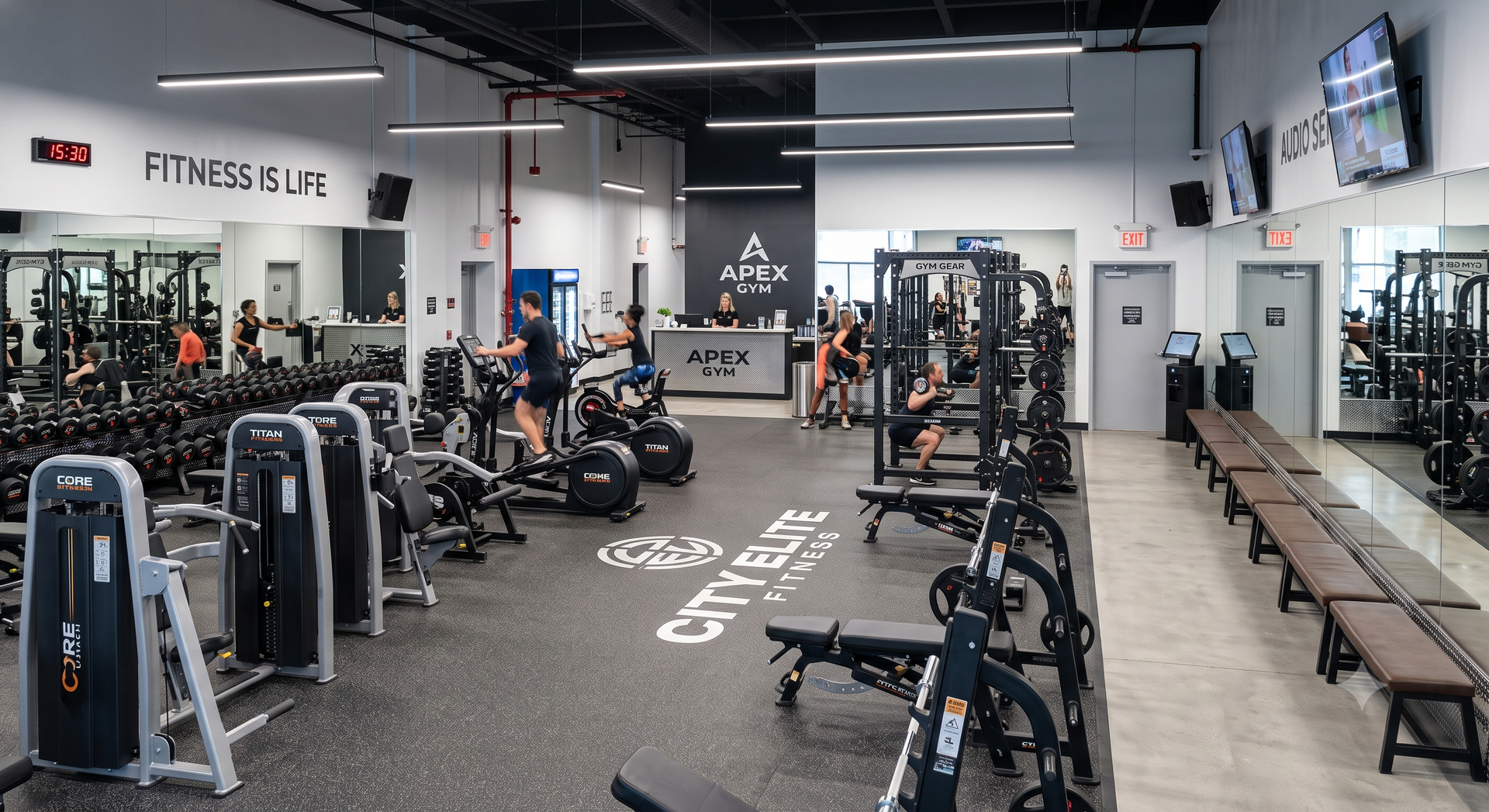
24/7 gym access has become standard across Australia, and for good reason. Members want flexibility, shift workers want to train outside business hours, and operators have found that unsupervised access models can support a leaner staffing structure while still delivering value to members. But the convenience of round-the-clock access comes with a trade-off that many gym owners don't fully consider until something goes wrong: unsupervised hours create a fundamentally different insurance conversation to a staffed, class-based facility.
A traditional gym with set opening hours and staff on the floor has a level of oversight built into its day-to-day operation. Someone notices if a member looks unwell mid-set. Someone is there to respond if a piece of equipment fails. Someone can step in if an unsafe situation is developing before it becomes an incident. Strip that supervision away for large parts of the day, and the risk profile of your facility changes — not necessarily for the worse, but differently enough that your insurance needs to reflect it.
Why the 3am Scenario Matters to Insurers
When a member trains alone at 3am and is injured using a piece of equipment, the absence of a supervisor is one of the first things an insurer will look at when assessing a claim. This isn't because unsupervised access is inherently uninsurable — it's because the circumstances of the incident affect how a claim is investigated, defended, and ultimately resolved.
Without a staff member present, there's no first-hand account of what happened beyond the injured member's own description. There's no one to confirm whether the equipment was being used correctly, whether a safety mechanism failed, or whether the injury arose from something entirely outside the gym's control. This absence of a witness is precisely why your Public Liability policy needs to explicitly reflect a 24/7 mode of operation rather than assuming a generic "gym" classification covers it. Insurers price and structure liability cover around the actual operating model of a business, and a facility that runs unsupervised for half its operating hours is a different proposition to one that's staffed throughout.
This doesn't mean 24/7 gyms face an uphill battle finding cover — far from it, given how common this model now is across Australia. It means the policy itself needs to be built around how you actually operate, not retrofitted after the fact.
Induction Processes: The First Line of Defence
Insurers will typically want to understand your induction process for new members before they finalise terms on a 24/7 facility. This is one of the most overlooked areas by gym owners, who often treat induction as a formality rather than a genuine risk management tool.
A thorough induction — one that walks a new member through key equipment, basic safety practices, and what to do in an emergency — does two things. First, it genuinely reduces the likelihood of an incident occurring in the first place, particularly for members who are new to weight training or unfamiliar with specific machines. Second, and just as importantly from an insurance perspective, it creates a documented record that you took reasonable steps to prepare the member for unsupervised use of your facility. If a claim does arise, evidence of a proper induction process can materially affect how that claim is assessed and defended.
Gyms that treat induction as a five-minute card-swipe tutorial are in a noticeably weaker position than those with a structured, documented process — and insurers know the difference.
Security Cameras: More Important Than Most Operators Expect
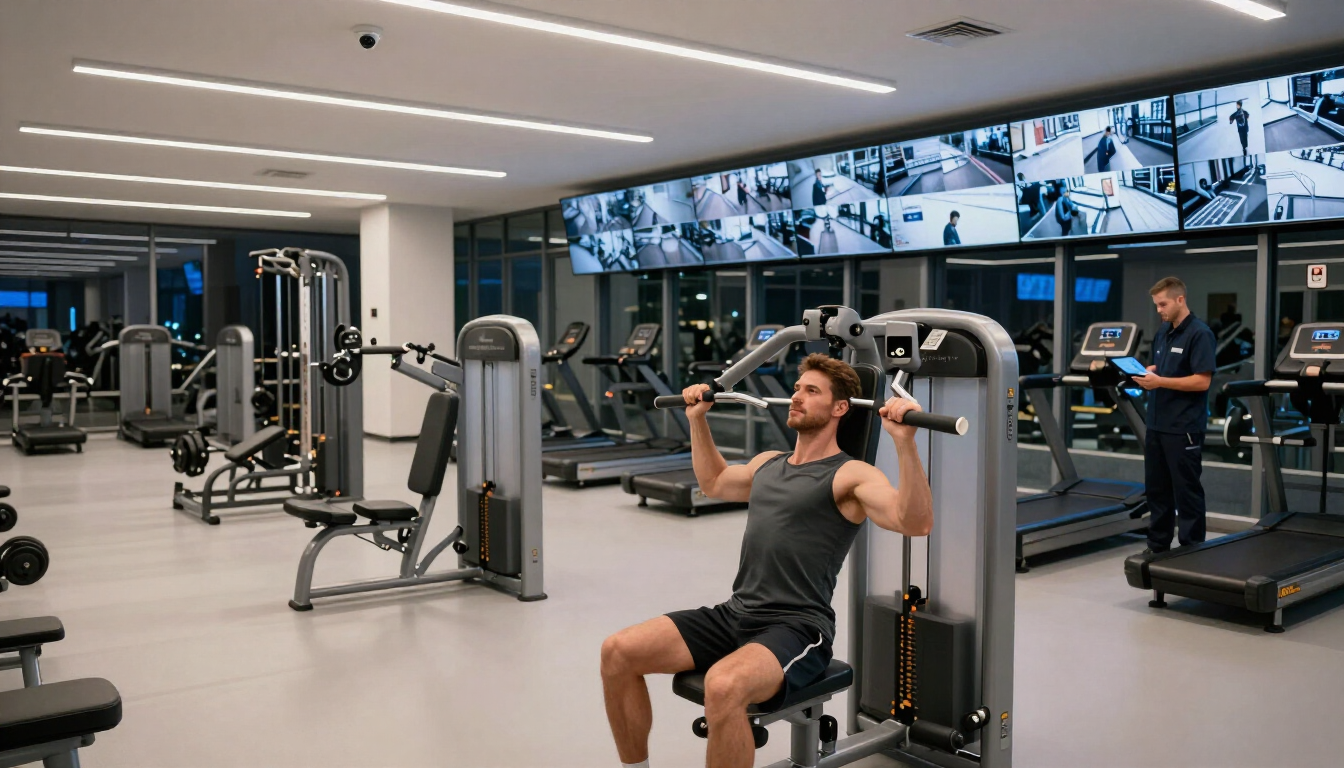
Camera footage matters more than most 24/7 gym operators expect, and it's an area worth genuine investment rather than a minimum-compliance approach. Having comprehensive camera coverage across your facility — not just at entry points, but throughout the gym floor — makes it significantly easier for an insurer to properly assess and, where appropriate, defend against a claim if an incident happens during unsupervised hours.
Without footage, a claim often comes down to one member's account of what happened, which can be difficult to verify or challenge. With footage, there's an objective record of the sequence of events, the equipment involved, and the member's actions leading up to the incident. This works in both directions — it can support a legitimate claim just as effectively as it can clarify a situation where the gym's facilities and equipment were not at fault.
Gym owners considering a 24/7 model should treat camera coverage as core infrastructure, not an optional extra. The cost of additional cameras is minor compared to the position you're in during a disputed claim with no footage at all.
Equipment Maintenance: Your Inspection Schedule Is Your Safety Net
Equipment maintenance records become even more important in a 24/7 environment than in a staffed facility. In a gym with staff present throughout the day, a frayed cable, a loose plate, or a worn pin is more likely to be noticed and reported before it causes harm. In an unsupervised facility, that same fault could go unnoticed for hours, or until a member is actually injured using it.
This is why a documented, regular inspection schedule is effectively your safety net in a 24/7 facility — and your evidence if a claim is made. A consistent maintenance log that records what was checked, when, and by whom demonstrates that you were proactively managing equipment risk rather than relying on members to report problems themselves. If an incident does occur, this documentation can be the difference between a claim that's straightforward to respond to and one that raises difficult questions about your operational diligence.
Gym owners running 24/7 sites should treat their maintenance schedule with the same seriousness as their insurance policy itself — because in practice, the two are closely connected.
Structuring the Right Policy: Where to Start
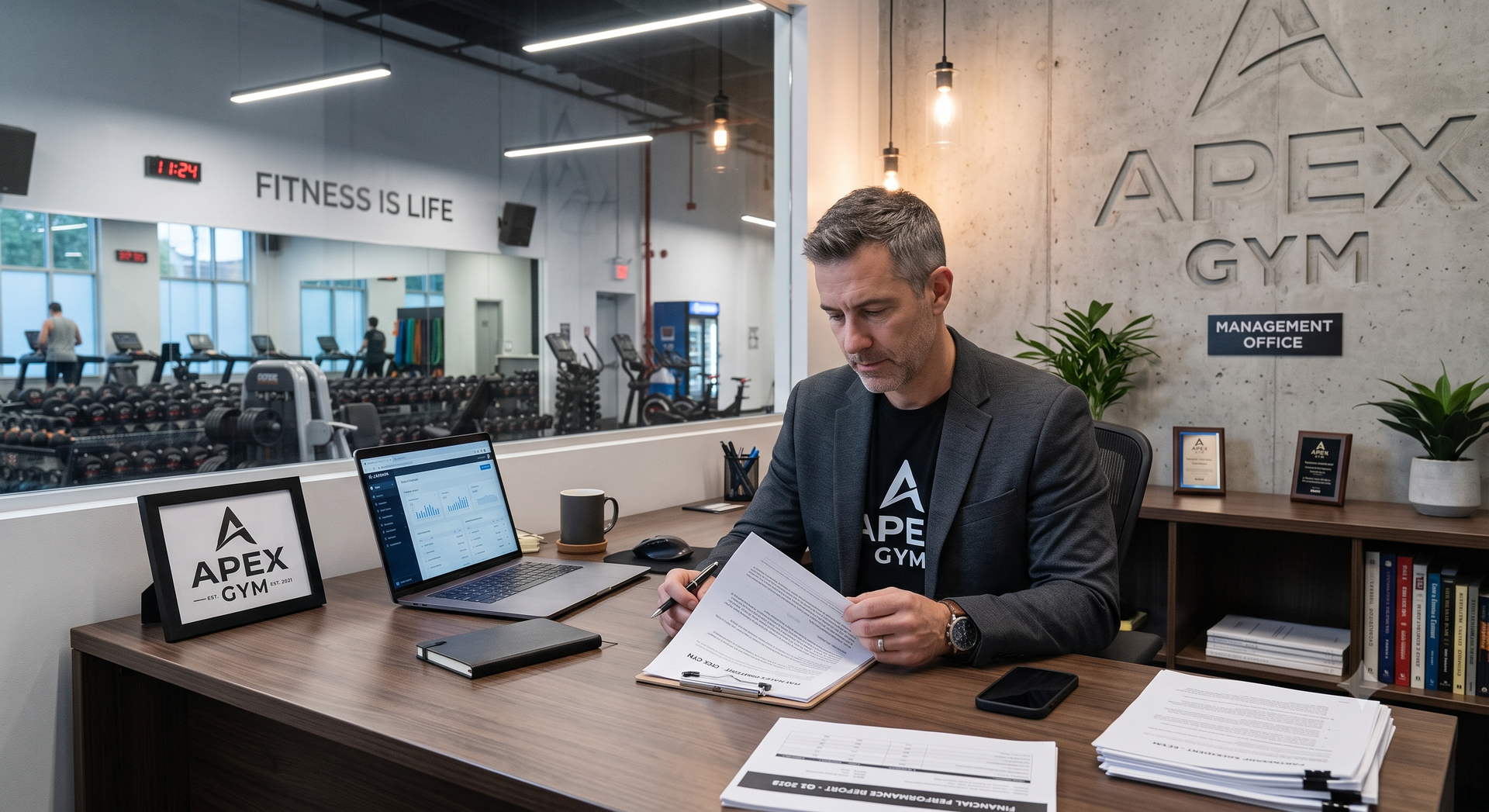
A Business Pack combining Public Liability and Property cover is usually the right starting point for a 24/7 facility. Public Liability addresses member and visitor injury claims, while Property cover protects your equipment, fit-out, and premises from damage, theft, or loss. Bundling these together through a Business Pack is typically more efficient than arranging separate policies, and it gives you a clearer overall picture of your coverage.
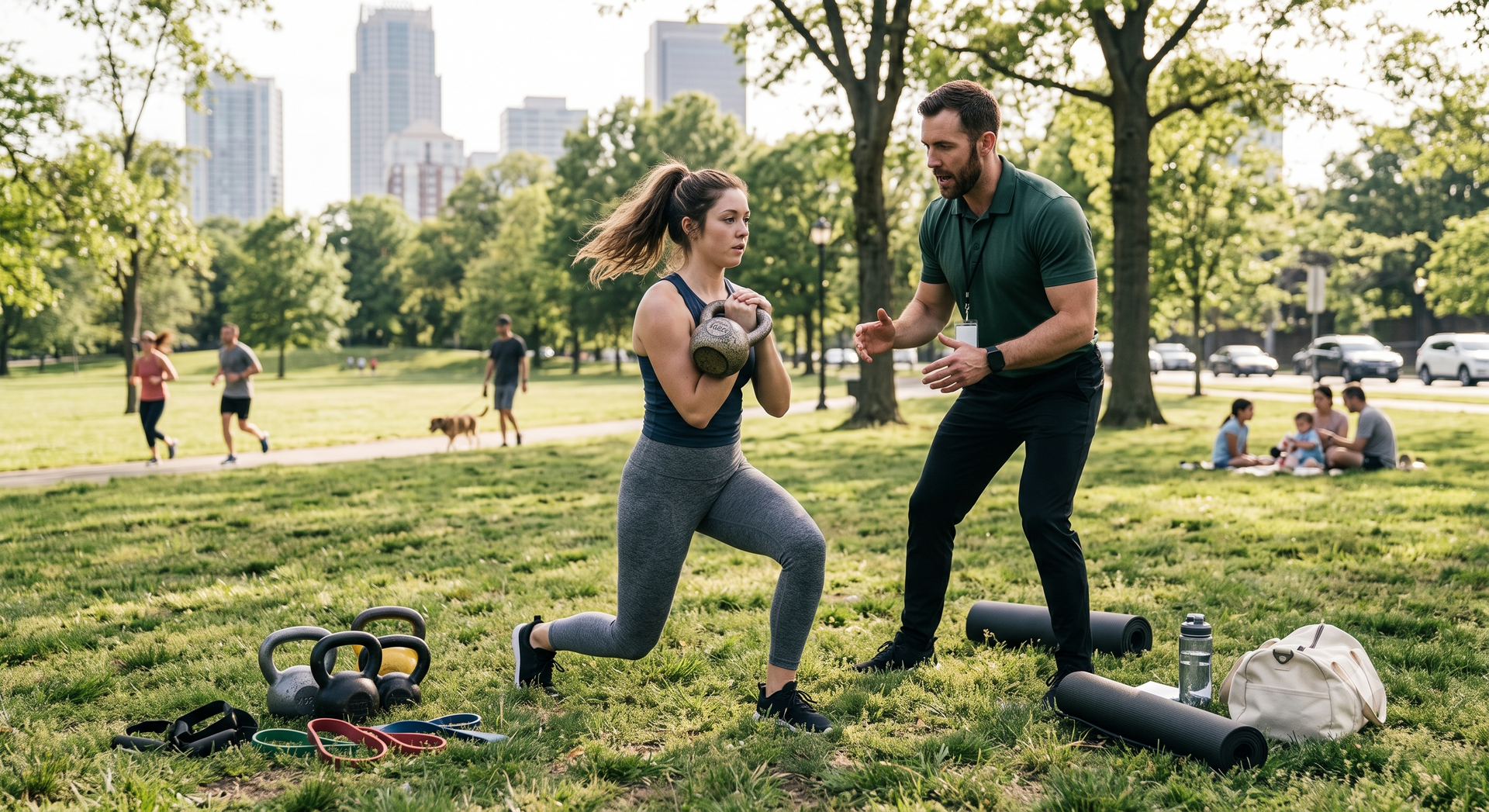
If your gym also runs supervised Personal Training sessions or group classes during staffed hours, Professional Indemnity should be added to this structure. This addresses claims arising from coaching advice or instruction given during those supervised sessions — a different risk category to the unsupervised access hours, and one that a Public Liability policy alone won't address.
Get the Wording Right From Day One
If you're opening a new 24/7 site or adding unsupervised hours to an existing gym, speak to Gym & Fitness Insurance Brokers before you do. Getting your policy wording right from day one avoids a difficult conversation after an incident — and means your cover actually reflects how members use your facility around the clock, not just during the hours someone happens to be on the floor.
Disclaimer
This content is general information only and does not constitute legal or insurance advice. Coverage requirements vary based on each business’s activities and risk profile, and policy terms and exclusions apply.
For fitness businesses seeking industry-specific guidance, gym insurance brokers provide advice and insurance solutions aligned with real-world fitness operations and unstaffed access risk exposure.