
What Gym Insurance Typically Includes for Australian Fitness Businesses
Insurance arrangements commonly recommended for gyms, fitness centres, and training facilities.
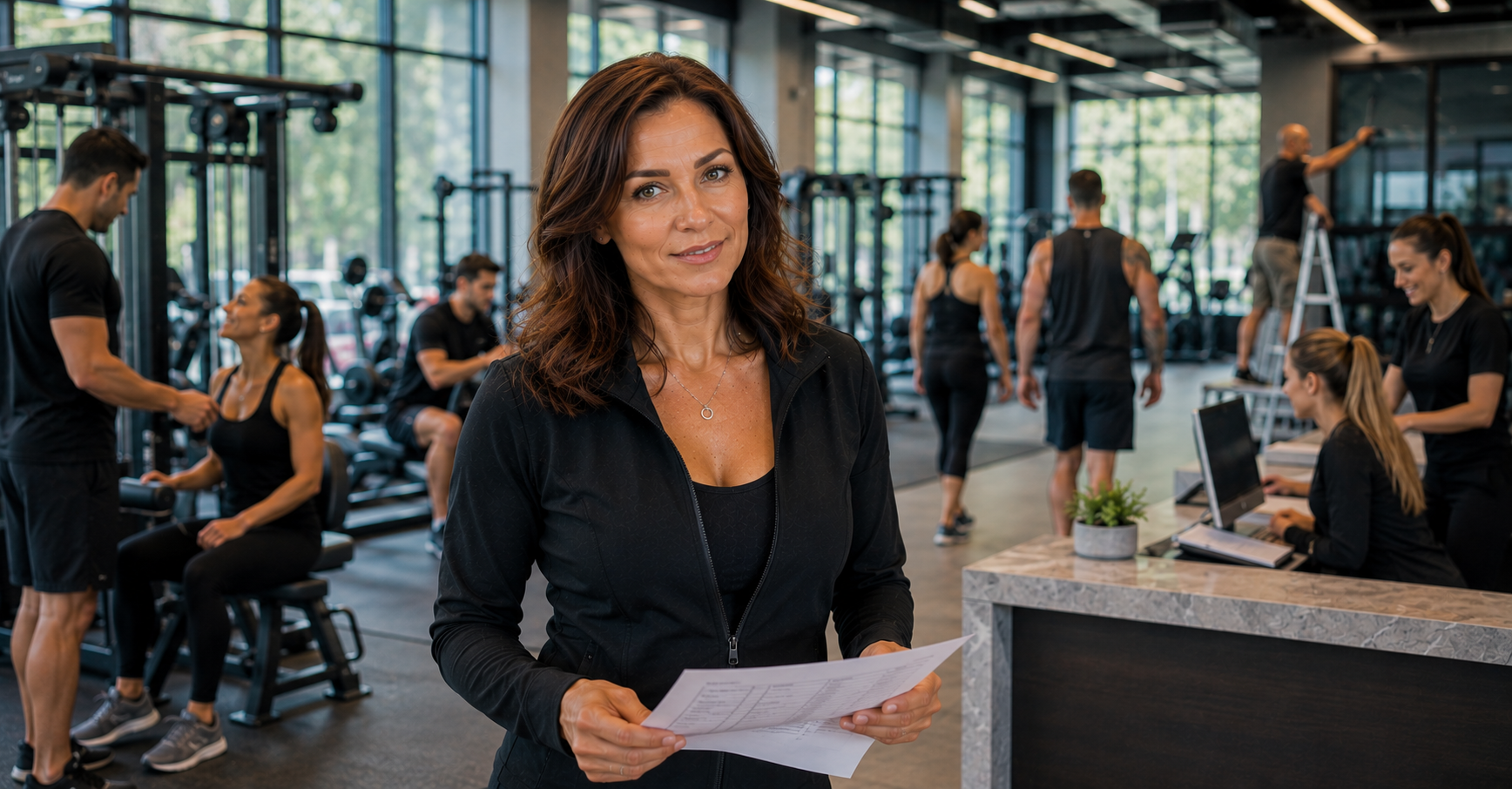
'Gym insurance' is one of those shorthand phrases that gets used a lot but means different things in different contexts. It's not a single defined product — it's a way of describing a collection of insurance arrangements that together address the main risk areas of running a fitness business.
Understanding what's typically included — and why each component exists — makes it easier to have sensible conversations about whether your current arrangements are doing what you need them to.
Public Liability
Public liability is almost always the starting point, and it's the one most gym owners encounter first because it's required by landlords and councils. It covers claims from third parties — members, visitors, contractors — who allege injury or property damage in connection with your business activities or premises.
For most gyms, public liability limits of $10 million or $20 million are standard. The right limit for your business depends on the requirements in your lease and the nature of your operations. It's worth checking that your declared activities and locations are accurate — public liability responds based on what's been disclosed, not on what seems like it should be covered.
Professional Indemnity
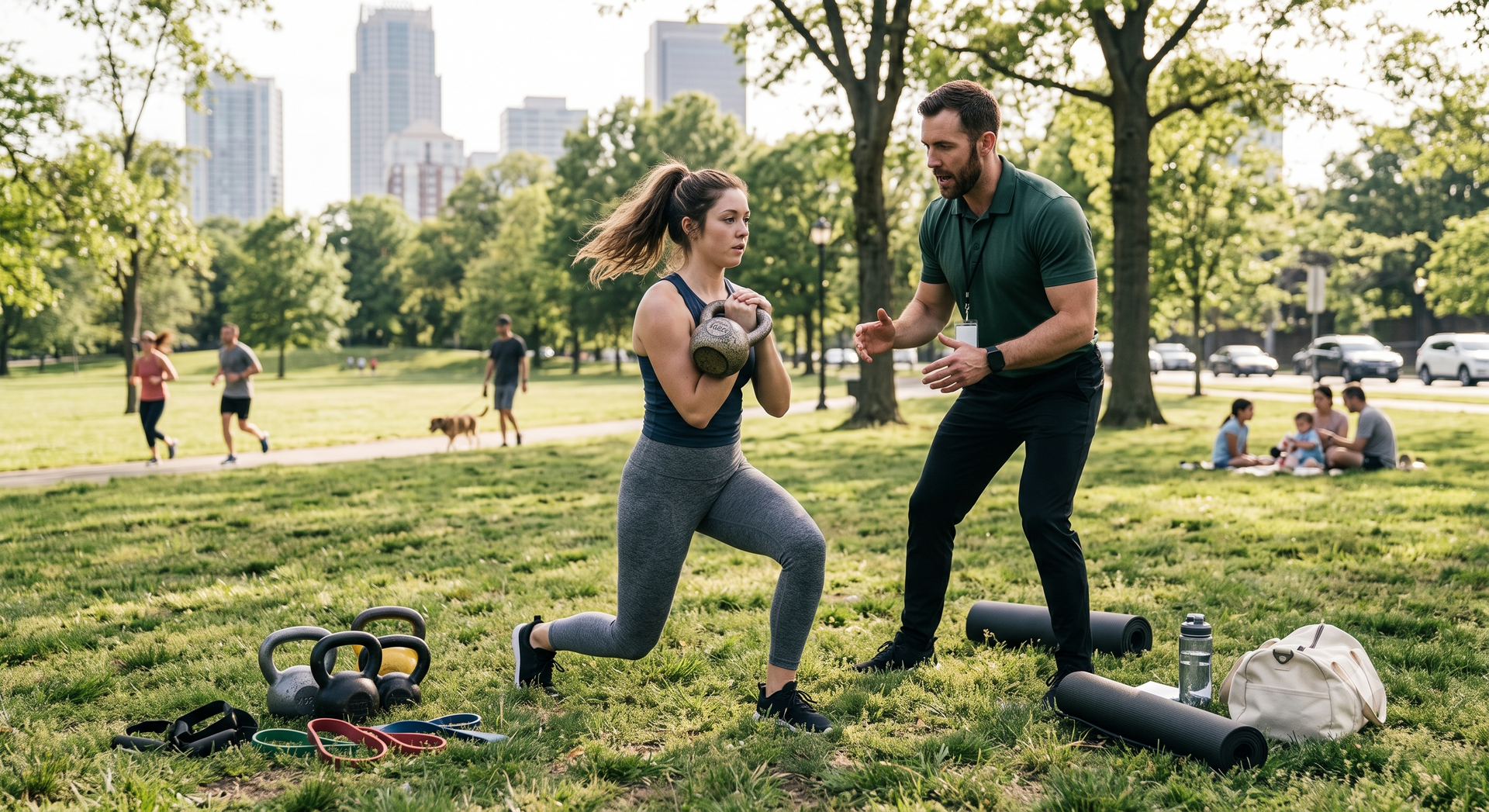
Professional indemnity addresses a different category of risk: claims arising from your instruction, advice, or professional services. If a member alleges that a technique you taught them caused an injury, or that their programming was inappropriate given their history, that's a professional indemnity matter rather than a public liability one.
For any gym or studio that provides coaching or training services — which is most of them — professional indemnity is an important component alongside public liability. The two policies cover different scenarios and are assessed independently. Relying only on public liability in a profession built around instruction leaves a gap worth closing.
Management Liability
Management liability covers the decision-making side of running a business. It protects owners, directors, and managers against claims arising from how the business is governed — employment disputes, workplace complaints, regulatory investigations, and decisions made in the running of the operation.
For gyms with employees or contractors, the employment practices liability section of a management liability policy is particularly relevant. Unfair dismissal claims, discrimination allegations, and adverse action complaints are the kinds of scenarios it's designed to address. These don't have to involve serious misconduct to generate significant legal costs — even well-intentioned businesses face these situations.
Business Pack — Property, Contents, and Business Interruption
A business pack brings together the protections relating to your physical assets and operational continuity. The main components for a gym typically include:
- Contents and equipment cover — for your fit-out, commercial gym equipment, and other business property. The right limit depends on actual replacement values, so it's worth reviewing this periodically as you add equipment.
- Glass cover — relevant for studios and gyms with significant glazing.
- Business interruption — perhaps the most undervalued component. If a fire, flood, or other insured event forces you to close temporarily, business interruption cover provides for the ongoing costs and lost income during the recovery period.
One thing worth flagging on the contents and equipment side: it's worth being clear on what you own versus what's owned by the building owner, and what's leased versus purchased. These distinctions affect how the cover should be structured.
Personal Accident and Player Accident
Personal accident cover provides benefits to individuals who are injured during training or activities — covering things like medical expenses and loss of income. For gyms, this can be arranged at the facility level to extend to members, or individual members and instructors can hold their own personal accident policies.
Player accident (or member accident) cover is particularly common for sporting clubs and fitness operations with structured participation programs. It provides a direct benefit to the injured person rather than responding to claims made against the business, which makes it a different function to public liability.
Cyber Insurance
As more gym operations move online — digital booking systems, CRM platforms, direct debit management, member portals — the cyber risk exposure that comes with holding member data increases. Cyber insurance addresses the costs of data breaches, ransomware incidents, and the regulatory and notification obligations that can follow.
Given the 2026 changes to Australian privacy law and the removal of the small business exemption, cyber insurance is worth considering as a genuine operational need rather than an optional extra for fitness businesses that collect member data.
Putting It Together
The combination of products that makes sense for your gym depends on how you operate, what services you provide, who you employ, and what assets you hold. Some of these products are essential for most gyms. Others are more relevant for specific operating models or risk profiles.
If you'd like a straightforward conversation about what your current arrangements cover and where there might be gaps, we're at fitnessinsurances.com.au or 03 8201 9908.
Protect What You've
Built — Properly.
Public liability, professional indemnity, business packs, and specialist martial arts cover — all under one roof. Compare your current policy or get a fresh quote with no obligation.
Disclaimer
This content is general information only and does not constitute legal or insurance advice. Coverage requirements vary based on each business’s activities and risk profile, and policy terms and exclusions apply.
For fitness businesses seeking industry-specific guidance, gym insurance brokers provide advice and insurance solutions aligned with real-world fitness operations and unstaffed access risk exposure.